United States Postal Service
The Hidden Meaning Packed Into a ZIP Code
ZIP codes pack real routing info: the first digit picks a region, the middle three name a hub, and the last two find your local post…

ZIP codes pack real routing info: the first digit picks a region, the middle three name a hub, and the last two find your local post…

The five-digit ZIP Code, launched in 1963, fixed a mail-sorting crisis by replacing clerks' memory with a machine-readable code, then found new uses.
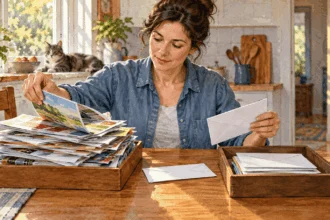
Free tools like OptOutPrescreen and DMAchoice can clear out most credit offers, catalogs, and coupons cluttering your mailbox each week.
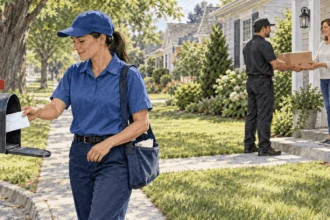
Federal law lets only USPS put mail in your mailbox, with narrow exceptions for prepaid postage and small package deliveries, plus fines for violations.
Closing a U.S. post office involves months of legal steps like notice, comments, and appeals, but emergency suspensions can skip them.
Postal workers cannot legally strike under federal law. This explains the 1970 mail strike and how arbitration settles pay disputes today.
Learn why mail fraud became a federal crime, tracing the law from an 1872 statute to today's rules on intent, mailings, and penalties reaching 20 to 30 years.
Protect your mail from theft with daily collection habits, free USPS tools like Informed Delivery and Hold Mail, and steps to take in the first 24 hours.
Why federal law usually shields USPS from lawsuits over lost, damaged, or withheld mail, and what insurance or SF-95 claims can still do.
The IRS and Social Security still mail paper checks because a 1999 law exempts tax refunds and allows hardship waivers for people without bank accounts.
Why privatizing USPS keeps stalling: rural mail costs more than it earns, the law protects it, and no plan says who would pay.
Stolen mail can lead to check fraud and identity theft. Learn who to call, how to report it, and whether to use a fraud alert or credit freeze.
Perfume, batteries, wine, and tobacco all face USPS mailing rules. See what is banned, restricted, or conditional and what the penalties are.
Rural mail delivery costs more because routes cover far more miles with far fewer stops. See how USPS funds the gap and what private carriers charge.