
Congressional Committees
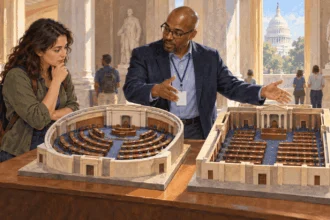
House vs. Senate: How Congress’s Two Chambers Shape American Lawmaking
Article I, Section 1 of the United States Constitution establishes that "All legislative Powers herein granted shall be vested in a Congress of the…

Navigating Congress: Understanding Standing Committees vs. Select Committees
When most people think of Congress, they picture dramatic debates on the House or Senate floor. But the real work of lawmaking happens in…
Two Paths to a Law: Congressional Committees vs. The Discharge Petition
When a bill becomes a law, it typically follows a path through congressional committees. But there's an alternative route in the House of Representatives…
Decoding the Dance: Understanding Committee Markups vs. Floor Amendments in Congress
A bill's journey from idea to law in Congress follows a complex path where its content can change dramatically at key points. Two critical…

How Congress Spends Your Money: Authorization vs. Appropriation
Why Congress passes two laws to fund one program, what an expired authorization actually stops, who gains when it lapses, and how to check your own program.

Conference Committees and Standing Committees: The Engines of Congress
The United States Congress relies on a complex system of committees to manage its immense workload of creating laws and overseeing the federal government.…