
Trade Policy

Inside Japan’s $550 Billion Fund for U.S. Manufacturing
Japan and the U.S. have a new trade deal with a unique twist. Japan is creating a $550 billion fund to help boost American…

Can the Courts Stop President Trump’s Tariffs?
Courts can stop tariffs that exceed presidential authority. The legal limits differ by statute, and Congress and customs refund procedures shape the result.

Do Economic Sanctions Work?
When do sanctions succeed, and when do they backfire? This analysis examines how the U.S. sanctions system operates, who controls it, and what happens…

Made in America: How Government Policy Shapes What We Build and Buy
The "Made in America" initiative represents a cornerstone of U.S. economic policy—a multifaceted effort to harness the federal government's vast purchasing power to bolster…
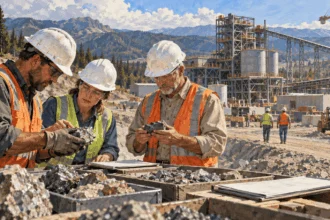
Critical Minerals: US Strategy to Break China’s Supply Chain Dominance
Critical minerals are the indispensable, non-fuel materials that form the bedrock of 21st-century US economic and military power. They're essential for national defense, powering…

How the Government Supports American Manufacturing
American manufacturing is experiencing a government-fueled renaissance. After decades of watching production move overseas, Washington has launched the most ambitious industrial policy in generations,…

The Price of Breaking America’s Export Rules
American companies that flout export control laws face penalties that can destroy their businesses overnight. These regulations are instruments of national security policy designed…

How to Determine if Your Product Needs a U.S. Export License
The United States government maintains a comprehensive system of export controls, regulating the shipment of certain goods, software, and technology to foreign destinations. This…

A Guide to U.S. Export Control Regulations
The United States export control system is a complex web of federal laws and regulations that govern how sensitive commodities, technologies, software, and services…

Have Widespread Tariffs Caused Runaway Inflation So Far?
Why tariffs can raise prices without causing runaway inflation, who bears the cost, what recent U.S. evidence shows, and what could change next.