
Business Taxes
Why States Give Companies Tax Breaks to Create Jobs
A state can give a company a tax break, get the promised jobs and still have paid for an investment that would have happened anyway. States…

A state can give a company a tax break, get the promised jobs and still have paid for an investment that would have happened anyway. States…
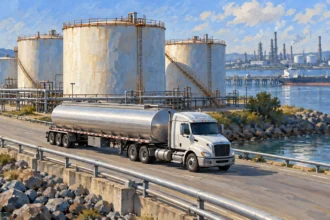
A government ban on diesel exports would stop fuel from being sold overseas, with the aim of making it cheaper at home. Diesel that would have…
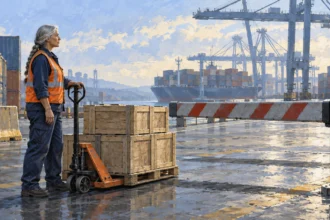
In 2026, tariffs of 50 percent took effect August 22 on a range of Canadian goods, and three September 8 proclamations excluded certain Canadian products in…

Explores why manufacturing jobs declined, weighing trade with China, automation, corporate tax cuts, health costs, and whether tariffs or CHIPS Act help.
Explains how the Federal Reserve turns its target range for the federal funds rate into a real overnight rate using tools like IORB and repo facilities.
Dodd-Frank created the CFPB and tried to end bank bailouts after 2008. See how the 2023 bank failures reopened debate over its success.
Fiscal policy is Congress setting taxes and spending. Monetary policy is the Fed setting interest rates. See which lever actually moves your paycheck or loans.
U.S.-Canada tariffs divide gains and costs among producers, manufacturers, shoppers and exporters, with exemptions and retaliation shaping the outcome.
Four days after the Supreme Court struck down the administration's emergency tariffs, a new 15% surcharge on most U.S. Imports was already in effect.…
Trump’s tariff deadlines depend on the law behind each charge, Congress’s role, replacement powers and court rulings, with different rules for imports.
China's trade surplus hit $1.19 trillion in 2025. Only $160 billion of it showed up in the country's foreign exchange reserves. That gap—$1.03 trillion…
China announced this week that its trade surplus hit $1.19 trillion in 2025—a 20 percent jump from the year before, and the highest figure…
China closed 2025 with a trade surplus approaching $1.2 trillion. Between April and December, the actual cost increase on Chinese goods reached 39-47 percent,…
Presidents can target imports by country under powers Congress grants. Tariff laws set the limits, and American importers pay the customs charges.