Fossil Fuels
Diesel Export Bans: How They Affect U.S. Fuel Prices
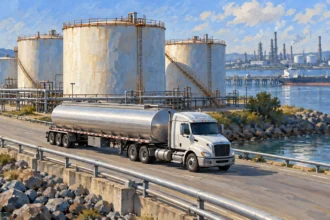
A government ban on diesel exports would stop fuel from being sold overseas, with the aim of making it cheaper at home. Diesel that would have…

A government ban on diesel exports would stop fuel from being sold overseas, with the aim of making it cheaper at home. Diesel that would have…
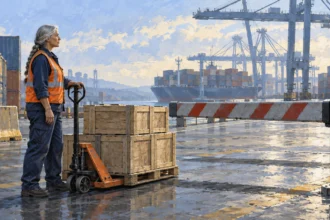
In 2026, tariffs of 50 percent took effect August 22 on a range of Canadian goods, and three September 8 proclamations excluded certain Canadian products in…

On August 22, 2026, the United States began charging a 50 percent tariff on a list of Canadian goods that ranged from wine to hockey sticks.…

Four days after the Supreme Court struck down the administration's emergency tariffs, a new 15% surcharge on most U.S. Imports was already in effect. Not a…
Trump’s tariff deadlines depend on the law behind each charge, Congress’s role, replacement powers and court rulings, with different rules for imports.
China's trade surplus hit $1.19 trillion in 2025. Only $160 billion of it showed up in the country's foreign exchange reserves. That gap—$1.03 trillion…
China announced this week that its trade surplus hit $1.19 trillion in 2025—a 20 percent jump from the year before, and the highest figure…
China closed 2025 with a trade surplus approaching $1.2 trillion. Between April and December, the actual cost increase on Chinese goods reached 39-47 percent,…
Presidents can target imports by country under powers Congress grants. Tariff laws set the limits, and American importers pay the customs charges.
WTO complaints can lead to compliance, compensation or trade retaliation. Appeal blockages complicate countries’ recourse against the United States.
Tariff refunds depend on the importer’s entry records, Customs processing and payment setup. The court ruling, filing routes and interest explained.
President Donald Trump has announced a "total and complete blockade" of all sanctioned oil tankers entering or leaving Venezuela. This declaration, delivered via the…
On November 5, 2025, the Supreme Court heard what has been called the biggest legal test yet of the Trump administration's presidency. The justices…
"Most Favored Nation" has long been a cornerstone of international trade policy. It's a principle designed to ensure fairness and equality among the world's…