
Student Speech and Discipline

What Is the Parents’ Bill of Rights Movement?
A political movement centered on a "Parents' Bill of Rights" has emerged as a defining feature of American education. This socially conservative movement aims…

Student Free Speech Rights: What They Can and Cannot Say in Public Schools
Public school students have speech rights, with limits for disruption, school publications and online harm. Colleges, private schools and teachers differ.
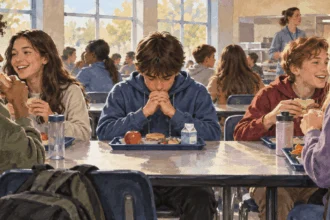
Prayer in Schools and “In God We Trust”: Where Religion Meets Government
The First Amendment opens with sixteen words that created America's approach to religious freedom: "Congress shall make no law respecting an establishment of religion,…

Religion and Prayer in Public Schools: Understanding Student Rights
The intersection of religion, prayer, and public education in the United States is an area frequently subject to discussion and misunderstanding. The First Amendment…