
Constitutional Foundations
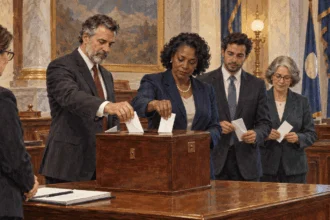
How the Electoral College Works: The Guide to America’s Presidential Election System
The Electoral College determines who becomes president of the United States, but most Americans don't understand how it actually works. This constitutional process has…

The Commerce Clause of the U.S. Constitution
In Article I, Section 8 of the Constitution, the Commerce Clause states that Congress shall have power "to regulate Commerce with foreign Nations, and…

The Necessary and Proper Clause of the Constitution
A single sentence buried at the end of Article I, Section 8, the Necessary and Proper Clause grants Congress the power "to make all…

Who Was Originally Included in “We the People”?
The opening words of the U.S. Constitution launched a revolutionary idea in 1787. "We the People of the United States" declared that government power…
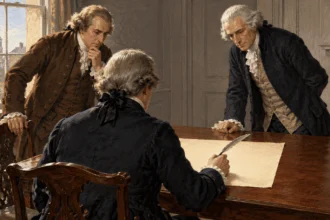
The Founder Who Wrote “We the People”
The opening words of the United States Constitution rank among the most famous in the English language: "We the People of the United States..."…

Why the Articles of Confederation Failed
The United States Constitution wasn't America's first attempt at national government. The Articles of Confederation governed the country from 1781 to 1789. The Continental…

The Tenth Amendment: How States Keep Power from Federal Government
The Tenth Amendment reserves powers to states and the people, with limits on federal commands, funding conditions, and claims of state sovereignty.

How States Can Legalize Marijuana Despite Federal Prohibition
American cannabis policy presents a contradiction: federal law classifies marijuana alongside heroin as among the most dangerous drugs, yet 24 states have legalized it…

Digital Privacy and the Ninth Amendment: Does the Constitution Protect Your Online Life?
Every click, search query, and location ping from our smartphones creates a digital trail. Our most private conversations, financial records, health concerns, and daily…

Why the Founding Fathers Created the Ninth Amendment as Constitutional Safeguard
The first eight amendments in the Bill of Rights protect familiar liberties like freedom of speech, the right to bear arms, and trial by…