- usps.com3 links
- pe.usps.com
Last updated 10 months ago. Our resources are updated regularly but please keep in mind that links, programs, policies, and contact information do change.
Understanding why your initial claim was denied is the first step in crafting a winning appeal. Common reasons for denial include:
- Insufficient Proof of Value: You didn’t provide enough documentation to demonstrate the item’s worth.
- Lack of Insurance Coverage: The package wasn’t insured, or the type of insurance didn’t cover the loss or damage.
- Inadequate Packaging: The USPS may argue the damage occurred due to improper packing.
- Claim Filed Too Late: There are specific timeframes for filing claims depending on the mail service.
- Excluded Items: Certain items are not eligible for insurance coverage.
- Loss or Damage Occurred After Delivery: If the tracking shows the package was delivered, it can be harder to claim for loss or damage.
- Missing Documentation: Essential documents like the original receipt or photos of damage were not included.
Your appeal should directly address the reason for denial stated in the USPS decision letter.
Understanding the USPS Claims Process
Before diving into the appeal, it’s helpful to understand the initial claims process. Typically, you file a claim online or by mail, providing details about the shipment, the issue, and supporting documentation. The USPS then reviews this information to determine eligibility for compensation. If your claim is denied or only partially paid, you have the option to appeal.
The Appeal Process: Step-by-Step Guide
Here’s a detailed breakdown of how to appeal a denied USPS claim:
Step 1: Review the Denial Letter
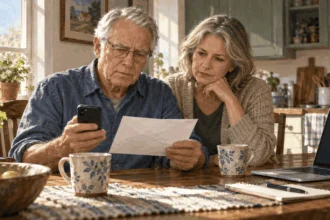
The denial letter from USPS is crucial. It will explicitly state the reason(s) for the denial. Understand these reasons thoroughly. This will be the foundation of your appeal.
Step 2: Gather Additional Evidence
Think about the initial reason for denial and what additional information or clarification you can provide. This might include:
Stronger Proof of Value
- Sales Receipts: If you didn’t include the original receipt, find it and include a clear copy. If the original is lost, obtain a duplicate or a bank statement showing the purchase.
- Appraisals: For valuable items, a professional appraisal can be compelling evidence.
- Online Transaction Records: Screenshots of completed online sales with pricing and item descriptions.
- Repair Estimates: If the item was damaged, obtain detailed repair estimates from reputable dealers.
- Statements of Value: If the item was unique or custom-made, a signed statement detailing its value can be helpful.
Proof of Insurance
Double-check your records for any evidence of insurance purchase, such as the original mailing receipt or online label confirmation.
Evidence of Proper Packaging
If the denial cited inadequate packaging, can you provide photos of how the item was packed before shipping? If you followed USPS packaging guidelines, highlight this in your appeal.
Proof of Timely Filing
Verify the date you originally filed the claim against the USPS filing deadlines for the specific mail service used. If you filed within the timeframe, clearly state this in your appeal.
Evidence Against Excluded Items
If your item was denied because it was deemed excluded, provide documentation or justification why it should be covered or argue against the exclusion based on the specific circumstances.
Evidence Regarding Delivery
If the denial was due to delivery confirmation, but you believe the package was not received by the intended recipient (e.g., potential theft after delivery), you might provide security camera footage or statements from witnesses.
Photos and Videos
High-quality photos of the damaged item, the packaging (both inside and out), and any labels are crucial. If possible, a video of unpacking the damaged item can be very persuasive.
Affidavits or Statements
If there were specific circumstances surrounding the loss or damage, obtain signed and dated affidavits from anyone with relevant information.
Step 3: Craft a Persuasive Appeal Letter
Whether you’re appealing online or by mail, your appeal should be clear, concise, and persuasive. Here’s what to include:
- Your Contact Information: Full name, address, phone number, and email address.
- Claim Number: Clearly state the original claim number assigned by USPS.
- Tracking Number: Include the tracking number of the original shipment.
- Date of Original Claim: Specify when you initially filed the claim.
- Date of Denial Letter: Mention the date you received the denial letter.
- Clear Statement of Appeal: Explicitly state that you are appealing the denied claim.
- Address Each Reason for Denial: Systematically address each reason provided in the denial letter. Explain why you believe the denial was incorrect or provide the additional evidence you’ve gathered to refute their reasoning.
- Provide Specific Details: Don’t make vague statements. Be precise and provide all relevant information. For example, instead of saying “the packaging was fine,” describe the type of box, cushioning materials used, and how the item was secured.
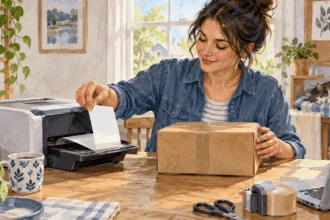
- Attach Supporting Documentation: Clearly list all the additional documents you are including with your appeal. Make sure these documents are organized and easy to review.
- Maintain a Professional Tone: Even though you might be frustrated, keep your tone polite and professional throughout the appeal. Avoid emotional language or accusations. Focus on presenting the facts and your evidence.
- State Your Desired Outcome: Clearly state what you are seeking (e.g., full reimbursement for the insured value).
Submitting Your Appeal
Online Appeals
If you filed your original claim online, you will likely need to submit your appeal online through your USPS account. Follow the instructions provided on the USPS website.
Mail Appeals
If you filed by mail, you will need to send a written appeal letter along with copies (never originals) of your supporting documentation to the address provided in the denial letter. The general address for domestic claim appeals submitted by mail is:
DOMESTIC CLAIMS APPEALS
US POSTAL SERVICE
ACCOUNTING SERVICES
PO BOX 80141
ST. LOUIS MO 63180-0141
Always double-check the denial letter for the specific appeal address.
Step 4: Follow Up and Keep Records
- Confirmation of Receipt: If mailing your appeal, consider sending it via certified mail with a return receipt requested. This provides proof that USPS received your appeal.
- Keep Copies: Maintain copies of your original claim, the denial letter, your appeal letter, and all supporting documentation for your records.
- Note Dates and Communication: Keep a log of all communication with USPS regarding your claim and appeal, including dates, times, names of representatives, and summaries of conversations.
- Check Your Online Account: If you filed online, regularly check your account for updates on your appeal status.
Tips for Strengthening Your Appeal
- Be Organized and Clear: Present your information in a logical and easy-to-understand manner.
- Focus on the Facts: Stick to the facts and avoid making assumptions or emotional arguments.
- Highlight Errors in the Initial Denial: If you believe USPS made a mistake in their initial assessment, clearly point this out with supporting evidence.
- Be Persistent: Don’t be afraid to follow up if you haven’t heard back within a reasonable timeframe (typically 5-10 business days for an initial claim decision, but appeals might take longer).
- Understand USPS Regulations: Familiarize yourself with USPS Publication 122, “Mailing Standards for Domestic Mail,” which outlines the regulations regarding claims. This can help you understand your rights and the USPS’s responsibilities.
When to Seek Further Assistance
If your appeal is denied a second time, you have the option to file a final appeal to the Consumer Advocate. The contact information for this final appeal should be provided in the second denial letter.
If you’ve exhausted the USPS appeal process and still believe your claim is valid, you might consider:
- Contacting Consumer Protection Agencies: Agencies like the Better Business Bureau (BBB) or your state’s consumer protection office might be able to assist in mediating the issue.
- Seeking Legal Advice: In cases involving significant financial loss, consulting with an attorney might be necessary.
Persistence Pays Off
A denied USPS claim can be disheartening, but it’s not the final word. By understanding the reasons for denial, gathering compelling evidence, and crafting a well-structured appeal, you significantly increase your chances of a successful outcome. Remember to be persistent, organized, and professional throughout the process.
For more information about USPS claims, visit the USPS Claims page or contact your local Post Office.