Freedom of Speech Press and Assembly
What the First Amendment Actually Protects
Learn what the First Amendment protects, from workplace speech to threats, protests, and campaign spending, using three key questions.

Learn what the First Amendment protects, from workplace speech to threats, protests, and campaign spending, using three key questions.

Grand juries indict more than ninety percent of the time when federal prosecutors ask them to. This wasn't one of those times. The Trump administration's Justice…

On Thursday night, February 5, 2026, at 11:44 PM ET, President Donald Trump posted a 62-second video to Truth Social showing former President Barack Obama and…

FBI agents executed a search warrant at the Virginia home of Hannah Natanson, a Washington Post reporter covering education, in January 2026—without arrest, advance notice, or…
FBI agents walked into Hannah Natanson's Virginia home on January 14, 2026, and seized her laptop, phone, and smartwatch. With those electronics, they gained…
More than 350 Texas educators face investigation by state officials for social media posts they made about Charlie Kirk's assassination. Some have been fired.…
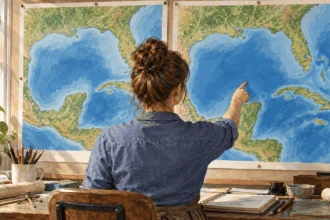
Hours after his second inauguration, President Donald Trump signed Executive Order 14172 directing the U.S. government to rename the Gulf of Mexico to the…
Thousands of students have been arrested at pro-Palestinian protests on U.S. college campuses. For American citizens, an arrest at a demonstration might mean a…
In September 2025, a media firestorm erupted when Disney-owned ABC abruptly suspended its flagship late-night program, Jimmy Kimmel Live!, announcing at the time that…
The radio frequencies that carry our favorite songs, the television signals that bring news into our homes, and the wireless spectrum that connects our…
The First Amendment to the U.S. Constitution opens with sweeping language: "Congress shall make no law... abridging the freedom of speech." It makes no…
Cable news thrives on clips of "fiery confrontations" and "explosive exchanges" that make the daily briefing look like a verbal boxing match. But is…
Burning the American flag as political protest is legal in the United States. The practice enjoys constitutional protection under the First Amendment, which the…
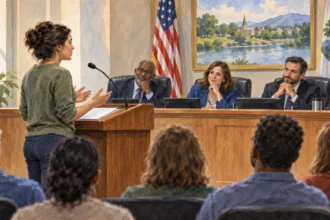
School board meetings across America have transformed into contentious arenas where parents, educators, and activists clash over classroom lessons and library shelves. In a…