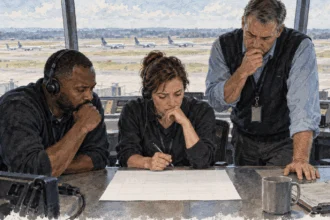
The Federal Aviation Administration (FAA) oversees the nation’s aviation system, managing air traffic for over 45,000 daily flights in the National Airspace System. Nearly all U.S. airports are publicly owned, forming vital infrastructure that supports passengers, commerce, and connectivity through federal standards for safety and operations.
Safety and Oversight
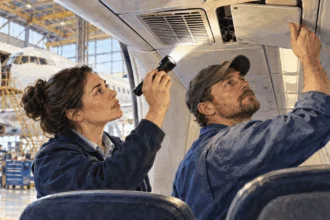
FAA regulators enforce safety via inspections, certifications, and protocols for commercial aviation. Explore how federal regulators keep commercial aviation safe. They also tackle issues like whether government oversight can fix toxic fumes on planes. In high-demand periods, measures like the FAA-ordered 10% flight reduction help maintain system stability.
Travel and Security
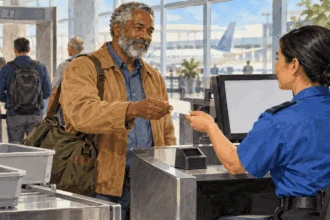
Disruptions from weather or operations affect travelers; learn why hundreds of flights were canceled and what Caribbean travelers should know. For boarding, comply with the REAL ID Act, mandating secure ID standards for domestic flights.
Modernization Efforts
The NextGen program upgrades the aging National Airspace System with satellite-based tech, improving efficiency, reducing delays, and enhancing safety amid ongoing infrastructure investments.
More than 900 flights disappeared from Caribbean departure boards on January 3, 2026. Not because of weather. Not because of…
On November 5, 2025, the Trump administration announced it would mandate a reduction in air traffic across 40 of the…
For nearly three million daily air travelers in the United States, the air inside aircraft cabins represents a life-support system.…
Commercial air travel in the United States is remarkably safe. Billions of passengers board millions of flights each year, and…
A small star in the corner of your driver's license represents the culmination of a nearly two-decade national debate over…