State and local governments shape nearly every aspect of American life, from the taxes you pay to the schools your children attend and the roads you drive on. The United States has one of the most complex and diverse local governance structures in the world, with vast differences in form and function not only between states, but within states as well. Understanding how these governments are organized, how they work together, and how they affect you as a citizen is essential to participating in democracy. Whether it’s understanding your city’s government structure, learning about how counties operate, or recognizing the hidden rules that control local government, knowing these basics helps you navigate the systems that directly affect your community.
How Local Government Is Structured
Most U.S. states have at least two tiers of local government: counties and municipalities. But the way these governments are organized varies dramatically. Cities and towns operate under different forms—some use a strong or weak mayor system, while others are run by professional city managers working under a city council’s direction. Counties similarly choose between structures like a commission form or an elected executive system. Beyond traditional municipalities and counties, communities may also be served by special districts and general-purpose governments that manage everything from water supply to public transportation. Understanding which type of government runs your community is the first step to engaging with it effectively.
State and Local Relations
While local governments provide essential services, they don’t operate independently—they exist within a framework set by state governments. States have broad authority over local affairs and can decide what powers cities and counties possess. This creates ongoing tensions, as seen in debates about whether states should override cities in local control battles. When state legislatures pass conflicting laws or make controversial decisions, state officials like governors play a critical role. Learning how to contact your governor matters when you want to weigh in on these decisions. State and local governments also work together in productive ways through collaborative partnerships and interlocal agreements where cities and counties team up to tackle shared challenges.
Local Finance and Planning
Much of what local governments do depends on money. Your property taxes fund schools, infrastructure, and public services—and understanding property taxes and special assessments helps you see where your money goes. Many communities now engage residents in participatory budgeting versus traditional budget processes, giving citizens a voice in how funds are spent. Beyond taxes, cities and counties raise money through tools like municipal bonds for public finance. Local governments also shape development through planning decisions, whether it’s city versus county planning priorities or choices about municipal annexation versus incorporation that change community boundaries.
Critical Issues and Debates
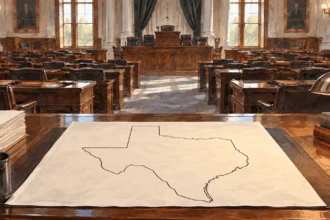
State and local governments face constant challenges. Public health coordination happens through initiatives like the local government public health coordination, while economic stability relies on programs such as unemployment benefits and social safety nets. Communities also grapple with how to respond to emerging industries, such as regulating platforms like Airbnb and Uber, and how to prepare for disasters, as seen in why local governments can underinvest in disaster prevention. Political tactics like quorum-busting and high-stakes maneuvers such as Texas Democrats’ walkouts show how local governance can become a battleground for broader political change.
Governors are the chief executive officers of their states, responsible for enforcing laws, managing state…
Local governments across America fund essential services like schools, roads, public safety, and water systems…
Local governments serve as the foundation of community life, delivering essential services such as police…
Local governments deliver essential services across the U.S., from roads and schools to public safety.…
State constitutions are the supreme law within each state, establishing the framework for how state…
View All →How judges are chosen in state courts affects the fairness and function of the judicial…
State legislatures are the primary lawmaking bodies in each of America's 50 states, functioning much…
When civil disputes arise in the United States, the default path leads to the public court system. An alternative exists…
On October 15, 2025, fifteen governors announced the Governors Public Health Alliance, a coalition designed to coordinate public health policy…
The year 2025 marks a sharp break from the century-old norm of once-a-decade redistricting. From Austin to Sacramento, a fierce…
Local governments employ millions of Americans, from police officers and firefighters to teachers and sanitation workers. As employers, these government…
Unemployment Insurance provides temporary income replacement to eligible workers who lose their jobs through no fault of their own. The…
The question "What is the best state?" sparks endless American debates. The truth is that the best state for a…
California and Arizona going to war over the Colorado River. New York blockading goods heading to New Jersey. These scenarios…
As the chief executive of your state, the governor holds a unique position to influence policy, direct state agencies, and…