Last updated 11 months ago. Our resources are updated regularly but please keep in mind that links, programs, policies, and contact information do change.
Black lung disease, also known as coal workers’ pneumoconiosis, remains an occupational health challenge for people involved in coal mining across the United States.
This progressive and debilitating condition underscores the importance of accessible and comprehensive support systems for affected miners and their families.
The Black Lung Clinics Program plays a vital role in this landscape by providing crucial medical, educational, and support services to those impacted by this disease. This article aims to serve as a thorough yet easily understandable guide to the Black Lung Clinics Program, offering essential information for those seeking to understand and utilize its resources.
What is the Black Lung Clinics Program?
The fundamental objective of the Black Lung Clinics Program is to lessen the illness and death associated with coal mine dust lung disease, commonly referred to as black lung disease. This critical goal is pursued through the provision of high-quality medical care, community outreach, educational initiatives, and assistance with benefits counseling.
The program’s design recognizes that effectively addressing black lung necessitates a comprehensive strategy that extends beyond just treating the physical symptoms of the disease. It also involves proactive efforts to raise awareness, educate individuals about prevention, and support them in navigating the complexities of compensation and benefits systems.
Funding for this essential program is provided by the Health Resources & Services Administration (HRSA), which is an agency within the U.S. Department of Health and Human Services (HHS). HRSA’s involvement ensures that the program operates under federal oversight, reflecting a national commitment to the health and well-being of coal miners.
The Black Lung Clinics Program is designed to assist a wide range of individuals within the coal mining community. Its services are available to those currently working in coal mines, those who have worked in the past but are now inactive or retired, and those who are disabled due to black lung disease.
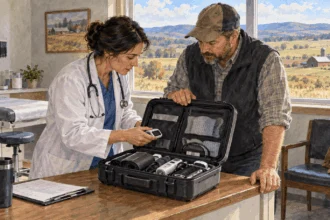
The program operates through a network of clinics that may directly provide care to patients or work in collaboration with other healthcare providers. These partners can include Federally Qualified Health Centers, hospitals, state health departments, mobile medical units, and various other types of clinics. This collaborative approach allows the program to extend its reach into numerous communities, enhancing the accessibility of its vital services.
Comprehensive Services Offered
The Black Lung Clinics Program offers a wide array of services designed to meet the diverse needs of coal miners affected by black lung disease. These services encompass medical care, outreach and education, benefits counseling, and patient care coordination.
Medical Services
A cornerstone of the program is the provision of medical services aimed at early detection, accurate diagnosis, and effective management of black lung disease.
Clinics offer screening procedures to identify the initial signs of the condition. Early detection is particularly important as it can significantly influence the course of the disease and improve long-term health outcomes.
Following screening, comprehensive diagnostic evaluations are conducted to provide an accurate assessment of a miner’s condition and identify any related respiratory issues. An accurate diagnosis is essential for developing an appropriate treatment plan and for accessing other supportive services and benefits.
The clinics also provide ongoing treatment to help manage the symptoms of black lung disease and slow its progression. This treatment aims to improve the quality of life for miners by alleviating suffering and addressing the physical challenges posed by the disease.
Furthermore, the program offers pulmonary rehabilitation services, which are designed to help miners improve their breathing capacity and overall lung function. These rehabilitation programs empower individuals to better manage their condition, maintain a higher level of physical activity, and enhance their independence.
Notably, the Division of Coal Mine Workers’ Compensation (DCMWC) has recently streamlined access to in-facility pulmonary rehabilitation services by eliminating the pre-certification requirement, making it easier for eligible miners to receive this vital care.
Outreach and Education
Recognizing the importance of reaching individuals who may not be aware of the program’s services or the risks of black lung disease, clinics conduct various outreach activities. These efforts aim to connect with eligible coal miners and provide them with information about the program and the symptoms of the disease.
Educational services are also a key component, with clinics offering resources and guidance to miners and their families to increase their understanding of black lung diseases. This includes information on prevention strategies, the importance of controlling dust exposure in mines, and the significant health risks associated with smoking.
By providing education, the program aims to empower individuals to take proactive steps in protecting their respiratory health and preventing further disease progression.
Benefits Counseling Services
Navigating the complexities of compensation and benefits programs can be a significant challenge for individuals dealing with health issues. To address this, the Black Lung Clinics Program offers benefits counseling services.
Counselors provide guidance and support to help miners understand and apply for relevant state and federal compensation programs related to black lung disease. This includes assistance with the Federal Black Lung Program, administered by the Department of Labor, which provides eligible miners with monthly compensation and medical coverage.
By offering this crucial support, the program helps to alleviate the administrative and financial burdens that miners and their families may face.
Patient Care and Coordination
To ensure that patients receive comprehensive and well-integrated care, the Black Lung Clinics Program provides patient care coordination services.
This involves developing individualized patient care plans that address each miner’s specific needs and facilitating referrals to other healthcare providers and specialists when necessary. This coordinated approach aims to create a seamless experience for patients, ensuring they receive the full spectrum of care required to manage their condition effectively.
Finding a Black Lung Clinic
Locating a Black Lung Clinic can be facilitated through several resources.
The Health Resources & Services Administration (HRSA), the federal agency responsible for funding the program, offers detailed information on its website. This website serves as a central point of access for understanding the program’s objectives, services, and eligibility criteria. HRSA also provides lists of organizations that receive funding through the Black Lung Clinics Program, which can be a valuable starting point for identifying clinics in specific geographic areas.
Another key resource is the Black Lung Data and Resource Center (BLDRC). The BLDRC is dedicated to improving healthcare for coal miners with black lung disease and offers a wealth of information, including details on clinic locations. The BLDRC website features brochures that list clinics in various regions across the United States, such as the Southeastern, Northeastern, Southwestern, and Northwestern regions, as well as specific brochures for West Virginia (South East and South West). These regional listings can simplify the search process for individuals looking for clinics in their vicinity.
The National Coalition of Black Lung & Respiratory Disease Clinics also serves as a valuable resource. This organization represents a network of clinics dedicated to the care of individuals with black lung and other respiratory diseases. Their website provides a directory of member clinics, making it another useful tool for finding care providers.
In addition to these national resources, some states with a history of coal mining have their own dedicated programs and websites that list Black Lung Clinics within their borders. For example, the West Virginia Department of Health and Human Resources maintains a website with a directory of Black Lung Clinics in the state. Checking the websites of state health departments in coal-producing regions can often yield the most localized and up-to-date information.
To provide a more direct overview, the following table lists some of the Black Lung Clinics that received funding in Fiscal Year 2020:
| Grantee Organization | City | State | Website/Contact Link |
|---|---|---|---|
| Canyonlands Healthcare | Page | AZ | https://canyonlandschc.org/ |
| National Jewish Health | Denver | CO | https://www.nationaljewish.org/home |
| University of Illinois – Chicago | Chicago | IL | https://publichealth.uic.edu/environmental-occupational-health-sciences/ |
| Big Sandy Health Care | Prestonsburg | KY | https://www.mchcky.com/ |
| Owensboro Health Muhlenberg Community Hospital | Greenville | KY | https://www.owensborohealth.org/locations/ohmg-profile/owensboro-health-coal-miners-respiratory-clinic |
| Miners’ Colfax Medical Center | Raton | NM | https://www.minershosp.com/ |
| Genesis Healthcare System | Zanesville | OH | |
| UPMC Altoona | Altoona | PA | |
| Centerville Clinic | Fredericktown | PA | https://centervilleclinics.com/ |
| Community Health of East Tennessee | Lafollette | TN | https://chetn.org/black-lung-clinic |
| Stone Mountain Health Services | Jonesville | VA | https://www.stonemountainhealthservices.org/ |
| West Virginia Department of Health and Human Resources | Charleston | WV | |
| Reynolds Memorial Hospital | Glen Dale | WV |
This table provides a snapshot of some of the organizations funded to operate Black Lung Clinics, offering a direct way to identify potential care providers in different states.
Eligibility for Program Services
Generally, eligibility for services at Black Lung Clinics is primarily based on an individual’s history of working in coal mines within the United States.
The program is specifically intended to support those whose respiratory health has been affected by their occupation in the coal mining industry. This includes individuals who are currently employed in mines, those who have worked in the past and are now inactive or retired, and miners who are unable to work due to a diagnosis of black lung disease.
This broad scope of eligibility reflects the program’s commitment to supporting miners throughout their careers and into retirement, recognizing the long-term consequences of exposure to coal dust.
While these general criteria apply across the program, it is important to note that specific clinics may have additional requirements or may focus on serving particular geographic areas. Therefore, it is always advisable to contact the individual clinic directly to obtain the most accurate and detailed information regarding eligibility for their services.
For instance, the Canyonlands Healthcare Black Lung Clinic offers free screenings to any coal miner, including those who are not Native American, who has worked for six months or longer in either surface or underground mines, regardless of the state in which they worked. This example illustrates that eligibility for certain services, such as initial screenings, can sometimes be quite broad, encouraging miners from various backgrounds and work histories to seek these important health assessments.
A Look at the Program’s History
The Black Lung Clinics Program has a rich history that is deeply intertwined with the struggles and advocacy of coal miners in the United States.
The movement to formally recognize coal miner’s pneumoconiosis as a compensable occupational injury gained significant traction in the coalfields of West Virginia during the late 1960s. This period saw an increased prevalence of the disease, driven in part by the mechanization of mines, which led to higher levels of coal dust exposure.
The campaign for recognition and support was further intensified by tragic events, such as the explosion at Consolidation Coal’s No. 9 mine in Farmington in November 1968. This disaster, which claimed the lives of 78 miners, galvanized public opinion and put greater pressure on policymakers to address the health and safety concerns of the mining community. The grassroots efforts of miners, along with the support of physicians and advocates, played a crucial role in bringing the issue of black lung to the national stage.
The establishment of the Black Lung Clinics Program can be seen as a direct outcome of this movement and the broader legislative efforts to improve miners’ health and safety. The landmark Federal Coal Mine Health and Safety Act of 1969 was a pivotal piece of legislation that laid the foundation for addressing the health challenges faced by coal miners, including black lung disease. This act recognized the severity of the condition and the need for federal intervention.
Building upon this legislative framework, the Black Lung Clinics Program was officially launched within the Health Resources & Services Administration (HRSA) in 1979, operating under the Bureau of Community Health Services. Since its inception, the program has served as a dedicated resource for coal miners across the country for over four decades, demonstrating a sustained commitment to this vulnerable population.
Over its history, the Black Lung Clinics Program has reached significant milestones and undergone important developments. In 2019, the program celebrated its 40th anniversary, marking four decades of providing essential medical care, outreach, education, and benefits counseling to active, inactive, and disabled coal miners. This milestone highlights the program’s enduring impact on the lives of countless miners and their families.
Throughout the years, the program has shown a capacity to adapt and evolve in response to the changing healthcare landscape and the specific needs of the coal mining community. This includes the adoption of innovative approaches like telemedicine and the deployment of mobile screening units, which have helped to improve the accessibility of services, particularly in remote mining regions.
Despite improvements in mine safety regulations and a decrease in the prevalence of black lung in the decades following the 1969 Act, recent years have seen a concerning resurgence of the disease. This trend underscores the continued and critical importance of the Black Lung Clinics Program in providing essential support and care to miners who continue to be at risk.
Recent News and Updates
Several recent developments highlight the ongoing significance and evolution of the Black Lung Clinics Program.
HRSA has recently announced a new funding opportunity for the program (HRSA-25-040), with the application period running from December 12, 2024, to February 11, 2025. This announcement signals a continued federal investment in the program, ensuring its ability to continue providing vital services to coal miners.
In other news, there have been reports of significant job reductions at the National Institute for Occupational Safety and Health (NIOSH), which oversees the Coal Workers’ Health Surveillance Program (CWHSP). The CWHSP plays a crucial role in screening miners for black lung disease. These job cuts could potentially have implications for the early detection and prevention of the disease, potentially increasing the demand for diagnostic and treatment services at Black Lung Clinics.
There have also been positive developments aimed at improving access to care. The Division of Coal Mine Workers’ Compensation (DCMWC) has recently revised its procedures for in-facility pulmonary rehabilitation services for eligible coal miners who receive benefits from the Black Lung Disability Trust Fund. Notably, the pre-certification requirement for these services has been eliminated, which is expected to streamline the process and make it easier for miners to access this essential component of respiratory care.
Efforts are also underway to ensure the financial stability of the Black Lung Disability Trust Fund. The U.S. Department of Labor is taking steps to protect the fund as a new presidential administration approaches, with the goal of ensuring that coal companies, rather than taxpayers, bear the responsibility for funding black lung benefits. This focus on the Trust Fund’s solvency is vital for the long-term provision of both financial assistance and medical coverage to miners affected by black lung.
Finally, it is important to acknowledge the concerning trend of an increasing prevalence of black lung disease in recent years, despite ongoing efforts to improve mine safety. This resurgence underscores the continued and growing need for the services provided by the Black Lung Clinics Program to support the health and well-being of coal miners.
Understanding Related Federal Initiatives
The Black Lung Clinics Program operates within a broader framework of federal initiatives aimed at supporting the health and well-being of coal miners. Two key related programs are the Federal Black Lung Program, administered by the U.S. Department of Labor, and the Coal Workers’ Health Surveillance Program (CWHSP), overseen by the National Institute for Occupational Safety and Health (NIOSH), which is part of the Centers for Disease Control and Prevention (CDC).
The Federal Black Lung Program is responsible for administering claims filed under the Black Lung Benefits Act. This program provides crucial monthly compensation and medical coverage to coal miners who are totally disabled by pneumoconiosis arising from their coal mine employment, as well as to their surviving dependents.
While the Black Lung Clinics Program focuses on delivering healthcare services, the Federal Black Lung Program provides direct financial and medical benefits, highlighting a complementary relationship between these two federal efforts. The Department of Labor’s website offers extensive information about the claims process, eligibility requirements, and resources for medical providers and coal mine operators.
The Coal Workers’ Health Surveillance Program (CWHSP) plays a vital role in studying respiratory disease among coal miners and offers free, periodic health screenings to detect black lung and other occupational lung diseases in their early stages. These screenings are conducted through mobile units that travel to mining regions and at NIOSH-approved healthcare facilities.
The CWHSP’s surveillance activities are essential for monitoring the prevalence of black lung, identifying trends, and providing valuable data that informs research and prevention initiatives. The NIOSH website offers detailed information about the CWHSP, including screening schedules and a list of approved facilities.