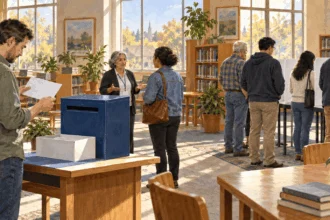
Despite being fundamental to American democracy, voting remains difficult for millions of citizens. From strict identification requirements to challenges with voter registration, numerous barriers prevent eligible Americans from casting ballots. These obstacles often disproportionately affect low-income voters, students, women, and voters of color.
Identification and Documentation Requirements
The SAVE America Act requires documentary proof of citizenship—like a passport or birth certificate—for federal voter registration and government-issued photo ID at polls. However, over 21 million voting-age Americans lack ready access to these documents, with millions of women facing name mismatch issues. Read more in Why Voting Is Still Hard in America.
Voter Roll Management and Purging
Proposals mandate purges every 30 days, ending the 90-day quiet period and risking wrongful removal of eligible voters. Learn about due process protections in Voter Roll Purges: What Due Process Protections the Law Requires.
Data Sharing and Immigration Enforcement
Linking voter rolls to DHS for verification raises misuse concerns. Explore this in Linking Voter Data to Immigration Enforcement: The Election Interference Question.
State-Level Voting Policies
State rules on mail-in voting and IDs create a patchwork of access. See America’s Voting Wars: How States Are Reshaping Access to the Ballot Box.
The Make Elections Great Again Act, introduced by House Republicans in late January 2026 under the leadership of Rep. Bryan…
Attorney General Pam Bondi sent a letter to Minnesota's Democratic governor on the same day federal Border Patrol agents shot…
The 2020 United States general election was conducted amid a global pandemic. In an effort to protect public health, states…
Voting is the cornerstone of American democracy, a fundamental right that allows citizens to shape their government. However, the process…