
Criminal Courts and Legal Process

Your Right to Know Criminal Charges: When Police Must Tell You What You’re Arrested For
The scene plays out countless times on television: flashing lights, the sharp command to "put your hands behind your back," and the click of…

What Makes a Jury Impartial: The Constitutional Promise and Modern Reality
The Sixth Amendment promises Americans the right to trial "by an impartial jury." But what does "impartial" actually mean? The answer has evolved dramatically…

Prosecuting Presidents: America’s Unwritten Rule
For over two centuries, America has followed an unwritten rule: incoming administrations don't criminally prosecute their predecessors. This tradition has shaped how the country…
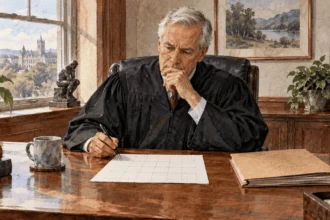
Understanding Sentencing Guidelines vs. Individualized Sentencing: A Guide to Federal Practice
When a federal judge sits down to sentence someone convicted of a crime, they face one of the most complex decisions in the American…

The Sentencing Divide: Mandatory Minimums vs. Judicial Discretion in American Courts
Mandatory minimums limit judicial discretion, while charges, legal exceptions and release rules shape how federal and state courts determine prison sentences.

Expungement vs. Pardon vs. Commutation: Pathways to a Second Chance
A criminal record often carries consequences that extend far beyond the courtroom or completion of a sentence. These "collateral consequences" create significant barriers to…

Sua Sponte vs. Party-Requested Rulings: When Judges Act on Their Own vs. When Parties Ask
Sua sponte rulings begin with the judge. Federal rules and Supreme Court decisions explain when courts may act alone and when parties must be heard.

Harmless Error vs. Reversible Error: When Mistakes Matter in Court
Harmless and reversible errors shape court appeals. The rules turn on harm, trial objections, constitutional rights and whether the evidence proves the charge.

En Banc vs. Panel Decisions: How Federal Appeals Courts Work
Most Americans think the Supreme Court is where important legal decisions get made. The reality is far different and more interesting. Between your local…
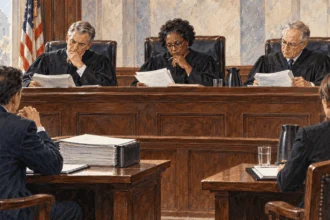
Appellate Decisions: What Affirm, Reverse, and Remand Mean
Appellate decisions can uphold a judgment, overturn it or send a case back. The instructions explain whether more proceedings, retrial or sentencing follow.