- blog.ucs.org6 links
- en.wikipedia.org
Last updated 2 weeks ago. Our resources are updated regularly but please keep in mind that links, programs, policies, and contact information do change.
In 1970, the United States government created the National Oceanic and Atmospheric Administration (NOAA) to unify its weather, climate, and ocean programs. President Richard Nixon envisioned NOAA as an agency that would provide “better protection of life and property from natural hazards” and improve understanding and use of environmental resources. Today, NOAA fulfills that vision through a wide-ranging mission: from daily weather forecasts and storm warnings to climate monitoring, fisheries management, and marine conservation.
Weather Forecasting and Public Safety
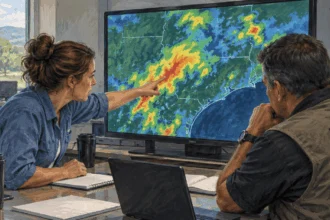
NOAA is perhaps best known for its weather forecasting abilities, which are vital for public safety. Through the National Weather Service (a NOAA agency), it provides daily forecasts and real-time severe weather warnings nationwide. This includes tracking hurricanes, tornadoes, floods, winter storms, wildfires, and even tsunamis – all to alert the public and emergency managers as early as possible. These forecasts and alerts save lives and property by giving communities time to evacuate or shelter in place before disaster strikes. For example, improved hurricane track predictions and coastal storm surge warnings allow officials to order timely evacuations, while tornado warnings (disseminated via NOAA Weather Radio and other channels) give families precious minutes to take cover.
NOAA continuously improves its forecasting through advanced technology. It operates a network of weather satellites, Doppler radar systems, weather balloons, and ocean buoys that feed data into sophisticated computer models. In recent years, NOAA has deployed new high-resolution satellites and upgraded its supercomputers to enhance forecast accuracy. In 2023, NOAA expanded the capacity of its weather supercomputers by 20%, enabling more data to be processed (29 quadrillion calculations per second) and improving model guidance for forecasters. According to the National Weather Service director, this increased computing power allows meteorologists to deliver more accurate forecasts, watches, and warnings with greater confidence. NOAA also flies specialized “hurricane hunter” aircraft into storms to gather critical measurements. These planes – nicknamed Kermit and Miss Piggy – plunge into the eyes of hurricanes to collect data on wind, pressure, and humidity, improving the models that predict a storm’s strength and path. Through initiatives like the Weather-Ready Nation program, NOAA works with local officials and media to ensure that forecast information leads to action, helping communities build resilience against extreme weather.
Crucially, NOAA’s role in weather forecasting isn’t limited to headline-making storms – it also supports day-to-day safety and planning. NOAA issues aviation weather forecasts that guide planes safely to their destinations. It provides marine forecasts and storm warnings for boaters and coastal residents, helping ships navigate safely and fishermen avoid dangerous seas. It even runs tsunami warning centers that monitor undersea earthquakes and alert vulnerable coastlines in the U.S. and around the Pacific and Atlantic Oceans. From flash-flood warnings in a thunderstorm to heat advisories during a summer wave, NOAA’s round-the-clock watch on the weather keeps Americans informed and prepared. Thanks to NOAA’s forecasts and early warning systems, the U.S. has dramatically reduced fatalities from weather disasters over the past decades. Each advance in forecasting – whether better Doppler radar or faster alerts to cell phones – translates into more lives saved. In short, NOAA’s weather service is a front-line defender of public safety.
Climate Science and Environmental Monitoring
Understanding long-term environmental change is another core part of NOAA’s mission. NOAA plays a leading role in climate science, tracking how the planet’s atmosphere and oceans are changing and informing policy-makers and the public about these changes. The agency maintains extensive monitoring networks: weather stations on land, satellites in orbit, ocean buoys and research ships at sea, and even observatories on remote mountaintops that sample the air. Using these observations, NOAA scientists measure key climate indicators – global temperatures, greenhouse gas concentrations, ice and snow cover, sea level, ocean heat content, and more – and provide objective data and analysis on trends. For example, NOAA’s records show a clear warming trend in recent decades; in fact, 2022 was the sixth-warmest year on record globally (dating back to 1880), at about 0.86°C above the 20th-century average. NOAA publishes monthly and annual climate reports that put current conditions in historical context, helping leaders and communities understand the significance of events like record-hot months or an unusually active hurricane season.
Beyond collecting data, NOAA conducts research to explain and predict climate patterns. Its scientists study phenomena such as El Niño and La Niña, which can swing global weather, and track changes in ocean currents, Arctic sea ice, and other factors that influence climate. NOAA’s research laboratories and partners (often in universities) develop computer models to simulate the Earth’s climate system, which improve our ability to project future changes. NOAA is also a key contributor to national and international climate assessments. Its data and expertise feed into reports like the U.S. National Climate Assessment and the Intergovernmental Panel on Climate Change (IPCC) reports, which guide policymakers on climate risks and response strategies. In these ways, NOAA’s impartial scientific information forms a foundation for climate policy – from local plans for flood defenses to international agreements on reducing carbon emissions.
NOAA also monitors the environment for ongoing changes and emerging threats. For instance, NOAA satellites measure the ozone layer and helped confirm the healing of the ozone hole after policy action. NOAA’s Global Monitoring Laboratory keeps a famous record of carbon dioxide in the atmosphere (the Keeling Curve), which surpassed 400 parts per million in recent years, a level not seen in human history. In the oceans, NOAA tracks ocean acidification (the increasing acidity of seawater as it absorbs CO₂) which can harm marine life. The agency’s observations have shown that oceans are warming and becoming more acidic, affecting coral reefs and fisheries. Through programs like the Coral Reef Watch, NOAA uses satellite data to detect marine heatwaves that cause coral bleaching, enabling managers to respond quickly. NOAA’s National Centers for Environmental Information maintain the world’s largest archives of weather and climate data, ensuring that scientists and officials have access to reliable records when studying climate trends or planning infrastructure for future conditions. All of this monitoring and research is geared toward a common goal: provide early warning and knowledge about environmental change so that society can mitigate risks and adapt effectively. Whether it’s projecting sea-level rise for coastal cities or forecasting seasonal drought risk for farmers, NOAA’s climate science arm translates data into actionable information for the public good.
Marine Conservation and Ocean Health
While NOAA is famous for weather, it is equally a steward of America’s oceans, coasts, and Great Lakes. Through its marine conservation and resource management efforts, NOAA works to ensure healthy oceans and sustainable use of marine resources. One major aspect is fisheries management. NOAA’s National Marine Fisheries Service (often called NOAA Fisheries) regulates commercial and recreational fishing in U.S. federal waters, based on the best available science. It monitors fish populations and sets catch limits designed to prevent overfishing and allow depleted species to recover. Thanks to these science-based rules, many U.S. fish stocks that were once declining have been rebuilt, and American seafood is harvested sustainably. NOAA also inspects seafood sold in markets to ensure it is safe and properly labeled. By managing fisheries for the long term, NOAA helps preserve an important food supply, protect jobs in coastal communities, and maintain balanced ocean ecosystems.
NOAA is also the guardian of marine endangered species and habitats. It enforces laws that protect marine mammals like whales, dolphins, and seals, as well as sea turtles and other threatened species. NOAA biologists study these creatures and implement recovery plans – for example, regulating ship speeds and fishing gear to reduce whale and turtle injuries. In addition, NOAA oversees a network of National Marine Sanctuaries and Marine National Monuments – essentially underwater parks – that protect critical habitats and historic sites. This sanctuary system has grown to encompass over 620,000 square miles of marine and Great Lakes waters, from coral reefs in Florida and Hawaii to kelp forests off California and shipwreck sites in the Great Lakes. Within these protected areas, NOAA limits harmful activities and supports conservation research, allowing coral gardens, fish spawning grounds, and other ecosystems to thrive. These efforts safeguard biodiversity and cultural resources (like centuries-old shipwrecks or indigenous heritage sites), while still allowing people to enjoy and sustainably use the ocean in many cases.
Protecting ocean health also means responding to new challenges. NOAA monitors and addresses problems like harmful algal blooms (sometimes called “red tides”) that can poison fish and shellfish or create dead zones. It provides forecasts and warnings for these events to help coastal communities respond. NOAA’s scientists are also on the front lines of oil spill response and chemical contamination in ocean and coastal areas. Through its Office of Response and Restoration, NOAA experts map the spread of spills, advise responders on protecting wildlife and sensitive habitats, and lead long-term environmental restoration after incidents. For example, after the Deepwater Horizon oil spill in 2010, NOAA played a key role in assessing damage to the Gulf of Mexico’s fisheries, wetlands, and wildlife, and is overseeing projects to restore those resources. Furthermore, NOAA tackles the issue of marine debris – everything from derelict fishing nets to plastic pollution – by researching its impacts and supporting cleanup efforts. The agency even combats invasive species (like the lionfish or certain harmful aquatic plants) that can disrupt ecosystems, by developing removal strategies and early detection programs. Through these wide-ranging actions, NOAA acts as a chief custodian of America’s ocean and coastal environment, balancing human use with conservation so that future generations inherit healthy, productive seas.
Economic Contributions of NOAA’s Work
NOAA’s services are not just about environmental protection – they also power the economy and save money for businesses and taxpayers. Virtually every sector that depends on weather, climate, or ocean conditions uses NOAA’s data and forecasts in some way. In fact, NOAA’s products and services support economic activity that makes up over a third of the U.S. gross domestic product. Here are a few examples of how NOAA contributes to the economy:
- Agriculture: Farmers and ranchers rely on NOAA’s climate and weather information to plan their operations. Seasonal climate outlooks and drought forecasts from NOAA help agriculture businesses decide what crops to plant and when to irrigate or harvest. By heeding NOAA’s predictions of an upcoming dry spell or an early frost, farmers can avoid crop losses – which has major economic benefits in our food supply and commodity markets.
- Transportation (Air and Sea): The aviation industry uses NOAA’s aviation weather forecasts every day to plot safe and efficient flight paths. Avoiding storms and turbulence not only protects passengers but also saves fuel. Likewise, the shipping and boating industries depend on NOAA for marine weather forecasts, wave and hurricane advisories, and precise navigation charts. NOAA produces the nautical charts that guide commercial ships into ports safely, avoiding hazards and shallow areas. By preventing shipping accidents and delays, NOAA data keeps goods moving smoothly and supports global trade through U.S. ports.
- Fisheries and Seafood: The fishing industry and coastal economies benefit from NOAA’s management of fish stocks and marine conditions. Sustainable catch limits set by NOAA ensure that fisheries can continue producing seafood year after year, protecting jobs in fishing, processing, and marketing. NOAA’s monitoring of ocean conditions (like El Niño cycles or red tides) helps fishermen anticipate changes in fish availability. Additionally, NOAA certifies seafood through inspection programs, which maintains consumer confidence in domestic and imported fish products – a big plus for the seafood market’s value.
- Disaster Response & Insurance: When disasters do strike, NOAA’s information greatly reduces economic losses. Early warnings for hurricanes, floods, and wildfires allow businesses and governments to secure property and infrastructure ahead of time. Studies show that every $1 invested in weather and climate resilience (using data from agencies like NOAA) prevents about $13 in disaster losses. This is critical for the insurance industry and for community budgets. NOAA’s tracking of long-term climate risks (such as the frequency of extreme rainfall or the surge from stronger storms) also helps the insurance and construction sectors design better buildings and set accurate insurance rates, strengthening the economy’s ability to withstand shocks.
- Energy: Energy companies, from utilities to offshore drilling operations, use NOAA data to make decisions. Electric utilities plan for peak demand using NOAA temperature forecasts (for example, predicting heat waves that drive air conditioning use). Renewable energy projects – like wind farms and solar plants – depend on NOAA’s climate data to choose suitable locations and estimate future resource availability. In the ocean, oil and gas platforms rely on NOAA’s ocean current and weather info for safe operations. Meanwhile, NOAA is aiding the growth of new marine industries (the “blue economy”), such as offshore wind energy and aquaculture, by providing environmental information to guide development while minimizing impact.
Overall, NOAA acts as an economic enabler by reducing uncertainty about the natural world. Daily weather forecasts mean fewer weather-related shipping and flight delays. Climate data helps corporations in agriculture, construction, and tourism plan for the season ahead. Navigation charts and tide predictions make commerce at sea more efficient. Even recreational industries – ski resorts watching NOAA’s snowfall outlooks or charter fishing tours checking ocean forecasts – rely on NOAA. The agency’s work not only prevents costly damages but also boosts productivity and innovation. By one estimate, America’s “blue economy” (ocean-related industries) contributes over 2 million jobs and about $500 billion to the GDP annually, a prosperity that NOAA supports through its stewardship of coasts and oceans. In short, NOAA is a quiet engine behind much of the U.S. economy, providing the environmental intelligence that keeps commerce running safely and smoothly.
Recent Advances and Ongoing Challenges
As NOAA moves further into the 21st century, it is leveraging new technologies and facing new challenges in carrying out its mission. On the technology front, recent years have seen NOAA make significant advances. The agency launched a new generation of geostationary weather satellites (the GOES-R series) and polar-orbiting satellites that provide sharper images, more frequent updates, and new capabilities like lightning mapping from space. These upgrades improve the detection of severe storms and the accuracy of forecasts. NOAA is also embracing innovative ways to collect data: deploying uncrewed systems such as drones, autonomous ocean gliders, and saildrone surface vehicles to reach places that were hard to observe before. For example, NOAA has used saildrone robots to glide directly into hurricanes over the ocean, transmitting real-time measurements of the storm’s wind and waves. This kind of data can refine hurricane intensity forecasts. The agency is similarly testing underwater drones to monitor fisheries and ocean conditions efficiently. Another milestone is NOAA’s adoption of big data and artificial intelligence techniques – it now partners with cloud computing providers to handle the massive volumes of data from its satellites and radars, making it easier for private companies and researchers to access NOAA data and build useful tools from it. These technological innovations are enabling NOAA to issue warnings with longer lead times and greater detail, and to provide more localized and customized climate information. They also help NOAA do more with limited resources, by automating observations and analysis that traditionally required large crews or manual effort.
At the same time, NOAA faces important challenges in fulfilling its mandate. One major challenge is the accelerating pace of environmental change. Climate change is fueling more extreme weather events, from record-breaking hurricanes and wildfire seasons to persistent droughts, which puts increasing demand on NOAA’s forecasting abilities. The agency must constantly improve its models and observation systems to keep up with these changes and accurately predict new climate-driven hazards. Sea levels are rising and Arctic ice is melting, which means NOAA has to expand efforts like coastal mapping, flood forecasting, and Arctic navigation services. Another challenge is maintaining and upgrading NOAA’s infrastructure and funding. NOAA operates satellites, ships, weather radars, and supercomputers that require substantial investment to maintain. Congress and the administration must allocate sufficient budgets to replace aging satellites before they fail, to hire and train skilled scientists and forecasters, and to develop next-generation models. Funding can sometimes be uncertain, and NOAA’s work has occasionally become entangled in political debates, particularly around climate change. In recent years, some groups have proposed drastic cuts or reorganization of NOAA, with some describing the agency’s climate research as alarmist. For instance, a 2024 policy blueprint even suggested dismantling parts of NOAA and privatizing its functions. NOAA’s scientists have pushed back, emphasizing that undermining NOAA would endanger the data and services that millions of Americans depend on daily. Ensuring the agency’s scientific integrity and independence in the face of political pressure remains an ongoing concern. Despite these headwinds, NOAA has generally enjoyed broad public support due to its clear value in protecting lives and livelihoods.
NOAA is challenged – and motivated – by the sheer scope of its mission. Covering “from the bottom of the ocean to the surface of the sun,” as the saying goes, NOAA’s responsibilities are vast. The agency must coordinate across disciplines: linking weather forecasts with climate outlooks, connecting ocean research with coastal community needs, and integrating new science into practical services. Initiatives are underway to improve this integration, such as developing a unified Earth prediction system that combines weather and climate models for seamless forecasts from hours to decades ahead. NOAA is also focusing on community engagement and equity, recognizing that vulnerable communities (like those in flood-prone or climate-sensitive areas) need tailored support to become more resilient. By working with local governments, Tribes, and other partners, NOAA aims to ensure its data and tools benefit all Americans, including those who have historically been underserved. In the coming years, NOAA will continue to drive cutting-edge science – from exploring the deepest ocean trenches to launching advanced satellites – while also strengthening the everyday services (like reliable forecasts and fisheries guidance) that people count on. Balancing these priorities with finite resources is an ever-present challenge.