Last updated 2 weeks ago. Our resources are updated regularly but please keep in mind that links, programs, policies, and contact information do change.
Introduction
Managing pests is a constant challenge in agriculture, impacting both the bottom line and the health of the farm ecosystem. Integrated Pest Management (IPM) offers a science-backed, common-sense framework, strongly supported by the U.S. Department of Agriculture (USDA), to tackle these challenges effectively, economically, and safely.
IPM is not about eliminating pesticides entirely; rather, it involves a thoughtful combination of strategies tailored to specific farm situations.
This approach represents a potential “win-win” for farmers: it helps protect profits by preventing significant pest damage, while also safeguarding vital environmental resources like soil and water quality, and minimizing potential health risks for farmers, farmworkers, and consumers.
Recognizing these benefits, various USDA agencies actively invest in research, provide funding, and develop resources to support farmers across the diverse agricultural landscape of the United States in adopting and implementing IPM practices. The principles of IPM are broadly applicable, offering valuable tools for managing pests in large-scale row crop operations, specialty crop farms, forests, and even community gardens.
What is Integrated Pest Management (IPM)? USDA’s Perspective
Official USDA Definition and Legal Basis
The USDA operates under a specific definition of Integrated Pest Management established by U.S. law. Title 7, Section 136r of the United States Code (7 U.S.C. § 136r) defines IPM as “a sustainable approach to managing pests by combining biological, cultural, physical, and chemical tools in a way that minimizes economic, health, and environmental risks”.
This definition is significant because the same law mandates that federal agencies utilize IPM in their own pest management activities and promote its use through regulations and programs. This legal foundation underscores IPM’s status not merely as a recommended practice, but as a cornerstone of federal pest management policy, ensuring a degree of long-term commitment and resource allocation from agencies like the USDA.
Understanding IPM also requires clarity on what constitutes a “pest.” Within the IPM framework, a pest is any organism—be it an insect, microbe, plant (weed), or animal—that poses economic, health, aesthetic, or environmental risks. Importantly, pest status is context-dependent; an organism considered a pest in one environment, such as a specific crop field, might be harmless or even beneficial in another setting.
Core Principles: A Sustainable, Science-Based Approach
Several core principles underpin the USDA’s approach to IPM:
Ecosystem-Based Strategy: IPM views the farm as an ecosystem and focuses on long-term prevention and management rather than solely on reacting to pest outbreaks. It aims to create conditions less favorable for pests to thrive in the first place.
Science-Based Decision-Making: IPM is fundamentally a process rooted in scientific understanding. Effective implementation relies on current, comprehensive information about pest life cycles, their interactions with the environment and the crop, and data gathered through diligent monitoring. Decisions are not arbitrary but based on analysis and evidence.
Integration of Multiple Tactics: The “Integrated” in IPM signifies the combination of various management tools—biological, cultural, physical, and chemical—into a cohesive and complementary strategy. It recognizes that relying on a single method is often less effective and sustainable than using multiple tactics that work together. This integration requires understanding how different practices interact within the farm system.
Judicious Use of Pesticides: IPM does not prohibit pesticide use but advocates for their application only when monitoring indicates they are necessary according to pre-established guidelines or thresholds. When pesticides are deemed necessary, the emphasis is on selecting options that pose the least risk to human health, beneficial organisms, and the environment, and applying them in a targeted manner to maximize effectiveness against the pest while minimizing broader impacts. This contrasts sharply with routine, calendar-based spraying.
Implementing these principles effectively demands significant knowledge of pest biology, careful environmental monitoring, and robust decision-making skills. This inherent complexity highlights why USDA places strong emphasis on research, education, Extension services, and accessible tools to translate ecological principles into practical actions farmers can readily use.
Why IPM Matters: Documented Benefits for Your Farm
Adopting IPM practices offers tangible benefits across economic, environmental, and health dimensions, making it a smart choice for modern agriculture.
Economic Advantages:
- Reduced Production Costs: Perhaps the most immediate benefit is the potential for cost savings. By monitoring fields and applying controls only when necessary, farmers can significantly reduce expenditures on pesticides and application labor. Considering that pest control can account for roughly a third of variable crop production costs, targeted interventions can substantially improve the bottom line.
- Yield Stability and Profitability: The primary goal of IPM is to prevent “unacceptable levels of pest damage,” thereby protecting crop yields and quality. By managing pests effectively and sustainably, IPM contributes to the long-term profitability and competitiveness of farm operations.
- Risk Mitigation: IPM helps farmers navigate several risks. By diversifying control tactics, it slows the development of pest resistance to pesticides, preserving the effectiveness of chemical tools. This is crucial as regulatory actions or market forces can lead to the loss of older, potentially cheaper pest control products. IPM offers a proactive strategy to manage these challenges.
Environmental Protection:
- Reduced Pesticide Load: A key outcome of IPM is a reduction in the overall volume and frequency of pesticide applications, encouraging the adoption of “more ecologically benign control tactics”.
- Improved Water Quality: By minimizing pesticide use and promoting practices that reduce runoff and leaching (like targeted applications and conservation tillage), IPM helps protect surface water and groundwater from contamination.
- Biodiversity Conservation: IPM practices aim to minimize harm to non-target organisms. This includes beneficial insects like pollinators and natural enemies (pest predators and parasites) that contribute to natural pest suppression, as well as other wildlife. Protecting biodiversity enhances the overall health and resilience of the agricultural ecosystem.
- Slowing Resistance Development: Relying heavily on a single chemical class creates strong selection pressure for pests to evolve resistance. IPM’s multi-tactic approach dilutes this pressure, helping pesticides remain effective for longer.
Health and Safety:
- Reduced Exposure Risks: Minimizing the handling and application of pesticides reduces potential exposure risks for farmers, farmworkers, and nearby communities.
- Enhanced Food Safety: By reducing reliance on broad-spectrum chemical applications and promoting healthier agroecosystems, IPM contributes to producing a safe, high-quality food supply with minimized potential for harmful residues.
While environmental and health benefits are significant drivers for USDA’s promotion of IPM, the clear economic advantages—saving money on inputs, protecting yields, and preserving the long-term viability of pest control tools—are often the most compelling reasons for farmers to adopt these practices. Effective communication about IPM often balances these motivations, demonstrating its value for both the farm business and the broader environment.
The IPM Process: A Step-by-Step Guide for Farmers
Integrated Pest Management is not a rigid set of rules but a flexible, cyclical process involving several key steps. Success hinges on understanding how these steps interconnect and applying them consistently.
Step 1: Prevention First – Building a Resilient Farm
The most effective IPM programs begin long before pests become a problem. Prevention focuses on managing the farm ecosystem to make it less hospitable to pests and on growing healthy, resilient crops that can better withstand pest pressures. This involves several categories of practices:
Cultural Controls: These are routine farming practices modified to disrupt pest establishment, reproduction, dispersal, and survival. Examples include:
- Crop Rotation: Alternating crops year-to-year breaks the life cycles of many soilborne pests, diseases, and weeds that specialize on a particular crop. This is a fundamental tactic for pests like corn rootworm.
- Resistant Varieties: Selecting crop varieties specifically bred for resistance or tolerance to common pests or diseases is a highly effective preventative measure. Examples include soybean varieties with Rag genes for aphid resistance or corn hybrids with Bt traits targeting corn rootworm.
- Sanitation: Removing crop residues, weeds, volunteer plants, or nearby alternative hosts eliminates overwintering sites or food sources for pests. This is particularly critical for pests like codling moth, where removing fallen fruit and orchard debris is essential. Keeping equipment clean also prevents the spread of pests and diseases.
- Planting and Harvesting Dates: Adjusting timing can sometimes help the crop avoid periods of peak pest activity or ensure it’s at a less vulnerable stage.
- Water Management: Proper irrigation—avoiding both drought stress and waterlogging—promotes plant health and can reduce susceptibility to certain pests and diseases.
- Tillage Practices: Tillage methods can influence the survival of soil-dwelling pests and weeds. Conservation tillage, for instance, can impact pest dynamics and is often studied within sustainable systems.
- Trap Cropping: Planting small areas of a highly attractive host plant can lure pests away from the main cash crop, concentrating them for easier management.
Physical/Mechanical Controls: These methods directly kill pests, block their access, or make the environment physically unsuitable. Examples include:
- Barriers: Using screens on greenhouses or row covers in fields can physically exclude certain pests.
- Traps: While often used for monitoring, traps can also contribute to control, such as mechanical traps for rodents or mass trapping strategies for some insects.
- Mulching: Applying organic or synthetic mulches can suppress weed growth and affect soil pest habitats.
- Tillage/Cultivation: Mechanical cultivation can directly kill weeds or expose soil pests to predators or harsh conditions.
- Hand Removal/Pruning: In some systems, manually removing pests (like hornworms on tomatoes) or pruning out infested plant parts (like codling moth ‘strikes’ in apples) is feasible.
- Soil Solarization/Tarping: Using clear plastic sheeting to heat the soil (solarization) or opaque tarps to exclude light can kill soilborne pathogens, pests, and weed seeds.
Habitat Manipulation: This involves actively managing the farm landscape to encourage beneficial organisms (natural enemies of pests). Examples include:
- Planting Attractants: Incorporating flowering plants that provide pollen and nectar can attract and sustain beneficial insects like lady beetles and parasitic wasps.
- Providing Refuges: Maintaining field borders, hedgerows, or cover crops can offer shelter and alternative food sources for natural enemies, helping them persist on the farm.
Step 2: Know Your Field – Monitoring, Scouting, and Identification
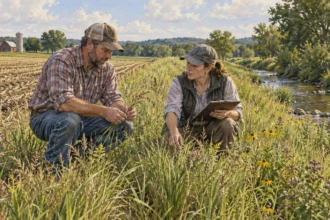
Effective IPM relies on knowing what’s happening in the field. Regular monitoring (or scouting) is essential to determine which pests are present, estimate their population levels, understand their life stage, assess any damage caused, and identify beneficial organisms that might be helping. This information prevents unnecessary treatments based on assumptions.
Monitoring Techniques: Various methods are used depending on the crop and target pest:
- Visual Inspection: Carefully examining plants (leaves, stems, roots, fruit) for pests, damage symptoms, or beneficials. Whole-plant counts are common for pests like soybean aphid and corn rootworm adults.
- Sweep Nets: Used to sample insects in crops like soybeans or alfalfa.
- Sticky Traps: Yellow sticky cards are often used to monitor flying insects like adult corn rootworms or aphids.
- Pheromone Traps: These traps use synthetic versions of insect sex attractants to lure specific pests, primarily for monitoring flight timing (biofix) and relative abundance, crucial for pests like codling moth.
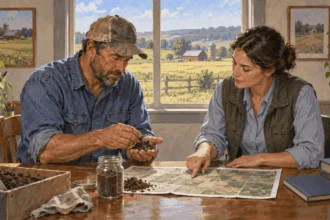
- Soil Sampling: Digging up soil and plant roots to look for larvae or other soil-dwelling pests, such as corn rootworm larvae.
- Degree-Day Models & Predictive Tools: Using temperature data to predict pest development stages (like egg hatch for codling moth) or weather-based models to forecast disease risk.
Accurate Pest Identification: Correctly identifying the organism causing damage is critical. Misidentification can lead to ineffective control strategies or unnecessary actions against harmless or beneficial species. Farmers can utilize resources like Extension service guides, university diagnostic labs (supported by networks like the National Plant Diagnostic Network – NPDN), and information from Regional IPM Centers. Less than 1% of insect species are considered pests; many are beneficial.
Identifying Beneficials: Recognizing the “good bugs” – predators like lady beetles, lacewings, and pirate bugs; parasitoids like tiny wasps that lay eggs in pests; and pathogens like insect-killing fungi or bacteria – is just as important as identifying pests. Their presence indicates that natural control is occurring and should be factored into management decisions.
Step 3: Setting Action Thresholds – Making Informed Decisions
IPM does not aim for zero pests. Instead, it uses action thresholds (often called economic thresholds in agriculture) to determine when pest populations or damage levels are high enough to warrant control measures to prevent economically significant losses. Simply seeing a few pests does not automatically mean action is needed.
Factors Influencing Thresholds: Action thresholds are not fixed numbers; they can vary based on:
- Crop Stage: Plants may be more vulnerable at certain growth stages (e.g., flowering, fruit development).
- Crop Value: Higher value crops may justify intervention at lower pest densities.
- Cost of Control: The expense of the treatment must be weighed against the potential loss from the pest.
- Pest Population Dynamics: Is the population increasing rapidly or stable?
- Environmental Conditions: Weather can influence both pest activity and crop susceptibility.
- Presence of Beneficials: High numbers of natural enemies might allow for a higher pest threshold.
Examples of Thresholds:
- Soybean Aphid: The widely accepted threshold is an average of 250 aphids per plant, with over 80% of plants infested, and the population observed to be increasing during the R1-R5 growth stages.
- Corn Rootworm: Thresholds depend on the life stage and sampling method. Examples include 2 or more larvae per plant from hand-sorted soil samples, an average of 0.75-1 adult beetle per plant in continuous corn, or 35 beetles per sticky trap per week. Silk clipping thresholds focus on preventing pollination interference.
- Codling Moth: Management decisions are often triggered by a combination of pheromone trap catches exceeding a certain number per week (e.g., 5 moths/week in high-load traps might be considered high) and reaching specific degree-day accumulations that predict egg hatch. Sometimes a percentage of fruit damage (e.g., 0.5%) is used.
Decision Making: Monitoring data is compared against established thresholds to make an informed decision: Is control needed now? Can it wait? Or is the population below the level causing economic concern?
Step 4: Choosing Control Tactics – The IPM Toolbox
When monitoring indicates that a pest population has crossed the action threshold and preventative measures alone are insufficient, intervention is necessary. IPM emphasizes selecting control tactics strategically, prioritizing those that are effective, economically viable, and pose the least risk to people and the environment.
Prioritize Less Risky Options: The IPM approach generally favors using biological, cultural, and physical/mechanical controls before resorting to broad-spectrum chemical pesticides.
Biological Control (Biocontrol): This involves using living organisms or their products to manage pests. It’s a cornerstone of IPM, though its practical application can sometimes be complex.
- Conservation: Protecting and enhancing the populations of naturally occurring beneficial organisms already present on the farm (e.g., lady beetles, lacewings, spiders, parasitic wasps, predatory mites, naturally occurring diseases). This is often the most cost-effective form of biocontrol and involves practices like providing habitat and avoiding harmful pesticides.
- Augmentation: Supplementing natural populations by purchasing and releasing commercially reared natural enemies, such as releasing predatory mites or parasitic wasps.
- Classical Biocontrol: Introducing natural enemies from a pest’s native region to control an invasive pest. This is typically undertaken by government agencies (like USDA APHIS and ARS) after extensive research to ensure safety and specificity.
- Examples: Lady beetles consuming aphids; tiny wasps parasitizing insect eggs or larvae; entomopathogenic nematodes attacking soil insects like codling moth larvae; microbial insecticides derived from bacteria like Bacillus thuringiensis (Bt) or viruses like the Codling Moth Granulovirus (CpGV).
While biocontrol holds great promise and is heavily researched by USDA, consistent success on farms can be challenging. Classical introductions may fail to establish, augmentative releases can be expensive, and effectiveness often depends on careful management of the farm environment and pesticide choices. This reality means that other control methods, including chemicals, often remain necessary components of a practical IPM program.
Chemical Control: Pesticides are used within an IPM framework, but their role shifts from being the primary or only tool to being one option used judiciously and strategically.
- Judicious Use: Apply only when monitoring confirms pest levels exceed action thresholds. Avoid preventative or calendar-based sprays.
- Selectivity: Whenever possible, choose pesticides that are more targeted to the pest and have lower toxicity to beneficial organisms (predators, parasitoids, pollinators) and the environment. These are sometimes referred to as “biorational,” “reduced-risk,” or “soft” pesticides.
- Targeted Application: Apply pesticides in ways that maximize contact with the pest and minimize off-target exposure. This includes using spot treatments or banding instead of broadcast sprays where feasible, using the lowest effective labeled rate, ensuring proper timing (e.g., hitting the vulnerable life stage, like codling moth egg hatch), and using application technologies that reduce drift.
- Resistance Management: Avoid relying repeatedly on pesticides with the same mode of action. Rotate chemical classes to delay the development of resistance in pest populations. This is a critical component for long-term sustainability.
- Safety First: Always read and strictly follow pesticide label instructions regarding application rates, timing, re-entry intervals, required personal protective equipment (PPE), and proper mixing, loading, storage, and disposal procedures.
Other Controls: Innovative approaches are continually being developed and integrated into IPM:
- Mating Disruption: Releasing large amounts of synthetic sex pheromones into an orchard confuses male insects, preventing them from finding females and mating. This is a widely used and effective tactic for pests like codling moth, especially in larger, contiguous orchard blocks.
- Behavior-Modifying Chemicals (Semiochemicals): Beyond pheromones for mating disruption, other chemicals that influence insect behavior are being explored. Kairomones, like pear ester, act as attractants and can enhance the effectiveness of monitoring traps for codling moth. Repellents are also an area of research. USDA ARS is actively researching these compounds.
Step 5: Evaluate and Adapt – Continuous Improvement
IPM is not a one-time fix; it’s an ongoing process of learning and adaptation. After implementing a control tactic, it’s crucial to evaluate its effectiveness.
Assess Effectiveness: Did the chosen method(s) successfully reduce the pest population below the action threshold? Was the outcome worth the cost and effort? Were there any unintended negative impacts (e.g., on beneficials)?
Document Results: Maintaining good records is essential for refining IPM strategies over time. Track pest levels observed during scouting, dates and details of actions taken (including specific products used, rates, weather conditions), costs incurred, and observed results (yield, quality, subsequent pest levels).
Adapt Strategy: Use the evaluation results and records to inform future decisions. If a tactic worked well, continue using it. If it was ineffective or had negative side effects, adjust the plan for next time. IPM requires flexibility to respond to changing pest pressures, environmental conditions, available tools, and new research findings.
The interconnectedness of these steps is fundamental. Strong preventative measures (Step 1) can lessen the frequency with which action thresholds (Step 3) are reached. Accurate monitoring and identification (Step 2) are prerequisites for setting meaningful thresholds (Step 3) and selecting appropriate controls (Step 4). Evaluating the results (Step 5) provides critical feedback for refining all previous steps in the cycle. Neglecting any one step can compromise the entire IPM strategy.
USDA Support for Your IPM Journey
The USDA provides substantial support for farmers interested in learning about and implementing Integrated Pest Management through a network of agencies, programs, and research initiatives. This support system reflects the complexity of IPM, requiring coordination across policy, research, funding, education, and on-farm conservation efforts.
Key USDA Agencies Championing IPM
Several USDA agencies play distinct yet complementary roles in advancing IPM:
National Institute of Food and Agriculture (NIFA): NIFA is a major hub for funding external research, education, and Extension programs related to IPM. It supports critical infrastructure like the Regional IPM Centers, funds competitive grant programs like the Crop Protection and Pest Management (CPPM) program, supports farmer-driven research through the Sustainable Agriculture Research and Education (SARE) program, and facilitates pesticide registration for minor crops via the IR-4 Project. NIFA plays a key role in ensuring that scientific advancements reach farmers through Land-Grant University Extension programs.
Agricultural Research Service (ARS): As USDA’s in-house research agency, ARS scientists conduct fundamental and applied research to develop new IPM tools and strategies. Their work provides the scientific foundation for many IPM practices, focusing on areas like biological control agent discovery, understanding pest behavior and chemical ecology (pheromones, kairomones), developing resistant crop varieties, improving monitoring technologies, and pioneering large-scale approaches like Areawide Pest Management (AWPM).
Animal and Plant Health Inspection Service (APHIS): APHIS focuses on safeguarding American agriculture from foreign pests and diseases. Its role in IPM includes pest detection and surveillance (especially for invasive species), diagnostics, quarantine enforcement, and managing eradication or control programs for specific high-consequence pests, often in collaboration with ARS and NIFA.
Natural Resources Conservation Service (NRCS): NRCS works directly with farmers to implement conservation practices on their land. Many conservation practices supported by NRCS through programs like the Environmental Quality Incentives Program (EQIP) and Conservation Technical Assistance (CTA) directly complement IPM goals, such as cover cropping, nutrient management, conservation tillage, and buffer strips, which can enhance soil health, improve water quality, and support beneficial insects. NRCS also provides tools like the Windows Pesticide Screening Tool (WIN-PST) to assess pesticide environmental risks.
Office of Pest Management Policy (OPMP): Located within the Office of the Chief Economist, OPMP serves a coordinating function. It provides leadership and coordination on pest management issues across USDA and other federal agencies, often through the Federal Integrated Pest Management Coordinating Committee (FIPMCC). OPMP helps develop strategic direction, such as the National IPM Road Map, which outlines priorities for IPM research, adoption, and evaluation.
The effectiveness of USDA’s overall IPM effort relies on the synergy and collaboration among these agencies—translating ARS research through NIFA funding to Extension programs that reach farmers, supported by NRCS conservation practices and guided by OPMP policy.
Programs, Initiatives, and Funding Opportunities
Farmers can access IPM support through various targeted USDA programs:
Regional IPM Centers: Funded by NIFA, the four centers (North Central, Northeastern, Southern, and Western) act as crucial hubs. They foster collaboration among researchers, Extension personnel, and stakeholders within their regions; identify and prioritize regional pest management needs; disseminate timely information through resources like Crop Profiles, Pest Management Strategic Plans (PMSPs), and Pest Alerts; and administer regional competitive grant programs supporting IPM research and outreach. This regional structure acknowledges that IPM strategies must be tailored to local crops, pests, and conditions.
Crop Protection and Pest Management (CPPM) Program (NIFA): This is a primary competitive grants program specifically focused on IPM. It funds projects addressing high-priority pest issues using IPM approaches through three main areas: Applied Research and Development (ARDP) for developing new tactics, Extension Implementation Program (EIP) for promoting adoption, and Regional Coordination Program (RCP) for enhancing collaboration.
Sustainable Agriculture Research and Education (SARE) Program (NIFA): SARE provides grants for research and education projects that are often farmer-led and focus on sustainable practices, including IPM. SARE emphasizes profitability, environmental stewardship, and quality of life, and its projects often showcase practical, on-farm applications of IPM within a whole-system context. The program operates through regional councils, ensuring relevance to local farming systems.
Minor Crop Pest Management Program (IR-4 Project) (NIFA): This program is vital for specialty crop producers (fruits, vegetables, nursery crops) as it assists in gathering the necessary data to register conventional and reduced-risk pesticides, including biopesticides, for use on minor crops that might otherwise lack effective control options.
Areawide Pest Management (AWPM) (ARS Initiative): ARS spearheads AWPM programs that coordinate IPM efforts across large geographical areas, often involving multiple stakeholders (federal, state, private). These programs tackle widespread pests by integrating tactics like monitoring, biological control, mating disruption, and targeted treatments over entire regions to suppress pest populations more effectively than individual farm efforts alone.
Cooperative Extension System: Funded in part by NIFA and operating through Land-Grant Universities in every state, Extension remains a primary conduit for delivering practical, research-based IPM information directly to farmers. Extension educators provide workshops, field days, diagnostic services, newsletters, and personalized advice tailored to local conditions.
NRCS Conservation Programs: Programs like EQIP and CTA provide technical expertise and potential cost-share assistance for implementing conservation practices that underpin successful IPM, such as planting cover crops for soil health and beneficial insect habitat, implementing nutrient management plans, or adopting conservation tillage.
The existence of these diverse programs highlights a crucial aspect of USDA’s strategy: significant resources are invested not only in developing IPM knowledge and tools through research but also in disseminating that knowledge and facilitating its adoption on farms through Extension, outreach, and farmer-focused grants. The success of USDA’s IPM goals hinges on this pipeline effectively translating scientific findings into practical, profitable actions for farmers.
Key USDA IPM Support Programs for Farmers
To help navigate the available resources, the following table summarizes key USDA programs and their primary focus for farmers seeking IPM assistance:
| Agency | Program/Initiative | Primary Focus for Farmers | Example Resource/Link |
|---|---|---|---|
| NIFA | Regional IPM Centers | Region-specific info, pest alerts, Crop Profiles/PMSPs, grants, expert contacts | https://www.ipmcenters.org/ |
| NIFA | Crop Protection & Pest Management (CPPM) Program | Funding for IPM research & extension projects addressing key pest issues | https://www.nifa.usda.gov/grants/programs/crop-protection-pest-management-program |
| NIFA | Sustainable Agriculture R&E (SARE) Program | Farmer-driven grants for sustainable ag research/education, practical guides | https://www.sare.org/ |
| NIFA | Minor Crop Pest Management (IR-4) Program | Facilitates registration of pest control tools for specialty crops | https://www.ir4project.org/ |
| NIFA | Cooperative Extension System | Local expertise, workshops, diagnostics, practical recommendations, publications | https://www.nifa.usda.gov/land-grant-colleges-and-universities-partner-website-directory |
| ARS | Research Programs / AWPM | Development of new IPM tactics (biocontrol, pheromones, resistance mgt.), research findings | https://www.ars.usda.gov/research/programs/ |
| NRCS | EQIP / CTA / FOTG | Technical & financial aid for conservation practices supporting IPM, risk assessment tools | https://www.nrcs.usda.gov/programs-initiatives |
| APHIS | Plant Protection & Quarantine (PPQ) | Information on invasive pests, diagnostic support, regulatory updates | https://www.aphis.usda.gov/ |
Cutting-Edge Research: How USDA Science Advances IPM
Continuous innovation is vital for IPM to address evolving challenges like invasive species, climate change impacts, and pest resistance. USDA, primarily through ARS and NIFA-funded university projects, is at the forefront of developing next-generation IPM tools and knowledge:
Biological Control Advancement: Scientists are actively searching for, identifying, and evaluating new natural enemies (parasitoids, predators, pathogens like viruses and fungi) from around the world, particularly for invasive pests. Research also focuses on improving methods for mass-rearing and effectively releasing these agents, and understanding how to conserve native beneficials.
Behavioral Control Innovations: Research delves into the chemical communication of insects. This includes identifying and synthesizing species-specific pheromones for highly effective mating disruption strategies and discovering kairomones (like pear ester for codling moth) that act as attractants to improve monitoring or potentially develop “lure-and-kill” tactics.
Resistance Management Strategies: A major focus is understanding how pests develop resistance to insecticides and crop traits (like Bt) at the genetic and molecular level. This knowledge informs the development of resistance monitoring techniques and strategies to mitigate resistance development, such as rotating modes of action and using trait pyramids.
Improved Monitoring and Decision Support: Researchers are developing more efficient and accurate ways to monitor pests and make timely decisions. This includes automated traps that can identify and count insects remotely, refining degree-day and phenological models using historical and real-time weather data, exploring remote sensing applications, and developing rapid DNA-based diagnostic tools for pest identification.
Novel Technologies: USDA scientists explore cutting-edge approaches, such as RNA interference (RNAi) technology for pest control (used in some corn rootworm traits), optimizing pesticide application using drones, and developing advanced spray technologies to improve targeting and reduce drift.
Ecologically-Based Approaches: Research investigates the complex interactions within agricultural ecosystems. This includes studying the impact of cultural practices like cover cropping and conservation tillage on pest and beneficial insect populations, designing habitat manipulations to support natural enemies, and understanding how landscape features influence pest movement and pressure.
Putting IPM into Practice: USDA Resources and Examples
Moving from understanding IPM principles to implementing them on the farm requires access to practical, actionable information and seeing how others have succeeded. USDA and its partners provide numerous resources and showcase real-world examples.
Finding Practical Guidance: USDA Tools, Guides, and Fact Sheets
While the array of available resources can seem extensive, several key starting points can help farmers find the specific IPM information they need:
Regional IPM Centers Websites: These are arguably the best entry points for regionally tailored information. Each center’s website offers resources like pest alerts for emerging threats, detailed Crop Profiles outlining production practices and common pests for specific commodities, Pest Management Strategic Plans (PMSPs) identifying IPM priorities and needs, directories of IPM experts, and information on regional grant opportunities.
- North Central IPM Center
- Northeastern IPM Center
- Southern IPM Center
- Western IPM Center
Cooperative Extension System: Local Extension offices, connected to state Land-Grant Universities, offer invaluable hands-on support. Farmers can access workshops, field demonstrations, diagnostic services for pest identification, state-specific production guides with IPM recommendations, and direct consultation with Extension specialists familiar with local conditions. Find your local office through the USDA’s directory: https://www.nifa.usda.gov/land-grant-colleges-and-universities-partner-website-directory.
USDA Agency Websites: Specific agencies host relevant resources:
- NRCS: Provides access to the Field Office Technical Guide (FOTG) with conservation practice standards, information on programs like EQIP, and tools like the WIN-PST pesticide risk assessment tool (https://www.nrcs.usda.gov/resources/guides-and-instructions/pest-management).
- APHIS: Offers information on regulated pests, invasive species identification and management (https://www.aphis.usda.gov/aphis/ourfocus/planthealth).
- ARS: Provides access to research findings and publications from USDA scientists (https://www.ars.usda.gov/research/publications/).
- NIFA: Offers information on funded programs and links to partner resources (https://www.nifa.usda.gov/).
Specific Online Resources:
- National IPM Database: Accessible via Regional IPM Center websites, this database houses Crop Profiles and PMSPs.
- SARE Learning Center: A rich source of practical books, bulletins, fact sheets, and online courses derived from farmer-driven SARE projects, including guides like “Manage Insects on Your Farm” (https://www.sare.org/Learning-Center).
- National Plant Diagnostic Network (NPDN): A network of university and state labs providing rapid and accurate pest and disease identification services (https://www.npdn.org/).
- Bugwood Network: An extensive library of high-quality images for identifying insects, diseases, weeds, and beneficial organisms (https://images.bugwood.org).
Navigating this complex landscape of information can be challenging. For many farmers, the local Cooperative Extension office and the relevant Regional IPM Center website serve as the most practical and effective starting points for finding tailored, reliable IPM guidance.
Real-World Success: IPM Case Studies from US Farms
Seeing IPM in action on other farms provides powerful evidence of its feasibility and benefits. USDA programs, particularly SARE and Extension, often document and share success stories:
SARE Project Examples:
- In the Northeast, a SARE-funded project developed new nutrient management tools helping dairy farmers improve environmental stewardship while boosting profitability.
- A California project demonstrated how conservation agriculture practices (reduced tillage, diverse rotations, cover crops, precision irrigation) helped farmers produce more crops with fewer inputs.
- Georgia apple growers partnered on a project to identify and manage habitats for native bees, enhancing pollination.
- Financial management training supported by SARE helped small farms in Massachusetts, New York, and Vermont significantly improve their profitability and business viability.
- A University of Vermont Extension project, influenced by SARE training, helped fruit and vegetable farmers improve postharvest handling equipment and facilities, resulting in documented cost savings from reduced waste and improved labor efficiency.
- Another Vermont SARE project involved farmers in participatory research evaluating the impacts of using silage tarps for weed control on soil health and crop yields.
Extension’s Role: Historically, Extension played a pivotal role in demonstrating the value of IPM through on-farm trials and by training crop scouts in the early days of the concept. This foundational work helped establish the private crop consulting industry while Extension transitioned to providing education and infrastructure support. Extension continues to be central in translating research into actionable advice and showcasing IPM successes through field days and publications.
Focus on Measurable Outcomes: These examples often highlight quantifiable results, such as dollars saved, yield protected or increased, reductions in pesticide use, improvements in soil or water quality, or increased farmer knowledge and confidence in adopting new practices. These tangible outcomes demonstrate the practical value of IPM.
Observing these case studies reveals that IPM success is often achieved not just through isolated pest control tactics, but as part of a broader commitment to improved farm management. Adopting IPM frequently goes hand-in-hand with enhancing soil health, refining financial planning, improving water management, or optimizing other aspects of the farming operation. This suggests that framing IPM within a holistic, whole-farm systems perspective can be a powerful approach to encouraging its adoption and maximizing its benefits.
Targeted IPM Strategies for Common US Pests (Examples)
While the core principles of IPM are universal, specific strategies must be tailored to the particular pest, crop, and regional environment. The following examples illustrate how USDA and Extension recommendations apply IPM principles to manage three significant pests in US agriculture.
Managing Corn Rootworm (Western & Northern) (Diabrotica spp.)
The Challenge: Corn rootworms are major pests of corn, primarily in the Midwest. Larvae feed on roots, causing significant yield loss through reduced water/nutrient uptake and increased susceptibility to lodging (plants falling over). Adults can clip silks, potentially interfering with pollination. Management is complicated by widespread resistance to single-trait Bt corn hybrids (specifically traits like Cry3Bb1, mCry3A, and eCry3.1Ab) and the evolution of extended diapause in Northern Corn Rootworm populations, where eggs can remain dormant for two or more winters, bypassing a single year of crop rotation.
Prevention and Cultural Controls (Step 1):
- Crop Rotation: Remains the most effective cultural control. Rotating corn with a non-host crop like soybeans for at least one year disrupts the life cycle. However, where extended diapause is suspected or confirmed, rotation out of corn for two or more consecutive years is necessary.
- Bt Hybrids: In continuous corn or areas with high rootworm pressure, planting corn hybrids with pyramided Bt traits (containing multiple different rootworm-active Bt proteins, e.g., SmartStax®) is recommended. However, due to documented resistance, relying solely on Bt traits is risky; their performance must be monitored.
- Planting Date: Planting corn early may allow the crop to establish a larger root system before peak larval feeding occurs, potentially increasing tolerance.
- Weed and Volunteer Corn Management: Controlling weeds (like waterhemp) and volunteer corn in rotational crops (like soybeans) is important, as adults may feed on pollen and lay eggs in these fields, contributing to problems when corn is planted the following year.
Monitoring and Thresholds (Steps 2 & 3):
- Larval Scouting: In late June/early July, digging up corn roots (e.g., 10 plants from representative field areas) and examining them for larvae (using hand-sorting or floating roots in water) can assess larval pressure. Thresholds suggesting potential economic damage (e.g., 2+ larvae/plant via hand-sort, 8+ via float test) exist, but rescue treatments applied at this stage have highly variable efficacy and are generally not recommended. Assessing root injury ratings (using scales like the 0-3 node-injury scale) in late July is a better way to evaluate the effectiveness of the current year’s management strategy (e.g., Bt trait, soil insecticide).
- Adult Scouting: Monitoring adult beetle populations from July through August is crucial for predicting the risk for the following year’s corn crop and for determining if silk-clipping protection is needed in the current year. Methods include:
- Whole Plant Counts: Counting beetles on multiple plants (e.g., 2 plants each at 27+ locations) across the field. Thresholds vary by region and situation (e.g., an average of 0.75 to 1 beetle per plant in continuous corn might signal risk for next year).
- Sticky Traps: Using yellow sticky traps placed at ear height (e.g., 6-12 per field) and checked weekly. Thresholds like an average of 35 beetles per trap per week in continuous corn may indicate a need for control measures next year. Sequential sampling plans can reduce scouting time.
- Silk Clipping Threshold: If scouting reveals an average of 5 or more beetles per plant during pollination, AND silks are being clipped back to less than 1/2 inch before 50% pollination is complete, a foliar insecticide application may be justified to protect yield in the current year.
Control Tactics (Step 4):
- Soil Insecticides (At-Planting): For conventional (non-Bt) corn planted into high-risk situations (e.g., following corn with high beetle counts), applying a granular or liquid insecticide in-furrow or as a band at planting can reduce larval damage. Efficacy depends on proper placement, soil moisture, and environmental conditions.
- Seed Treatments: Insecticidal seed treatments (neonicotinoids) may provide some suppression of light to moderate rootworm pressure but are generally considered insufficient under heavy pressure or against resistant populations and do not provide season-long control.
- Foliar Insecticides (Adult Control): Spraying to control adult beetles is generally not an effective strategy for preventing larval damage the following year due to ongoing emergence and immigration. It should only be considered if the silk-clipping threshold is exceeded during pollination. If spraying during pollen shed, potential impacts on pollinators like honey bees must be considered.
Evaluation (Step 5): Assess root damage ratings in late July/early August to determine if the chosen management tactic (rotation, Bt trait, soil insecticide) provided adequate protection. Use adult scouting data to plan management for the following year.
Managing Soybean Aphid (Aphis glycines)
The Challenge: The soybean aphid is an invasive insect pest primarily affecting northern soybean-producing states. It reproduces asexually and very rapidly during the summer, allowing populations to explode under favorable conditions. Heavy feeding can reduce plant vigor, pod set, and seed size, leading to significant yield loss. Aphids also excrete honeydew, promoting sooty mold growth. Over-reliance on foliar pyrethroid insecticides and preventative neonicotinoid seed treatments has led to documented insecticide resistance in some aphid populations and raises environmental concerns.
Prevention and Cultural Controls (Step 1):
- Resistant Varieties: Soybean varieties containing host plant resistance genes (e.g., Rag1, Rag2) can effectively suppress aphid populations. However, availability and farmer adoption of these varieties have been limited. Aphid biotypes capable of overcoming some resistance genes exist, so scouting is still necessary even on resistant varieties.
- Planting Date/Row Spacing: Altering planting date or row spacing has not shown consistent effects on soybean aphid populations or their impact, and is generally not recommended as a primary management tactic.
- Nutrient Management: Maintaining adequate soil potassium levels is important, as potassium deficiency has been linked to higher aphid populations.
- Habitat Management: Common buckthorn serves as the essential overwintering host for soybean aphid. While managing buckthorn in adjacent shelterbelts or woodlots might reduce early-season colonization, aphids are highly mobile and can arrive from distant sources later in the season. Relay cropping soybeans into a rye cover crop has shown some potential to reduce aphid numbers.
Monitoring and Thresholds (Steps 2 & 3):
- Scouting: This is the cornerstone of soybean aphid IPM due to their potential for rapid increase. Begin checking fields in early vegetative stages, especially near buckthorn sources. Increase scouting frequency to at least weekly from the R1 (beginning bloom) through R5 (beginning seed) growth stages. Examine whole plants (initially focusing on new growth and undersides of leaves), estimating the average number of aphids per plant across 20-30 randomly selected plants throughout the field. Also note the percentage of plants infested and whether the population trend is increasing, decreasing, or stable.
- Economic Threshold (ET): The research-based threshold for foliar insecticide application is an average of 250 aphids per plant, with more than 80% of plants infested, AND the population is observed to be actively increasing. This threshold is designed to trigger treatment before populations reach levels that cause economic yield loss (estimated to be around 675 aphids/plant, the Economic Injury Level). Treatments applied after the R5 stage are generally not beneficial.
- Speed Scouting: A faster binomial sampling method based on counting the number of plants with more than 40 aphids can also be used to make treatment decisions.
- Natural Enemies: Actively look for beneficial insects during scouting, including lady beetles (adults and larvae), lacewing larvae, insidious flower bugs (minute pirate bugs), and parasitized aphid “mummies” (swollen, tan/black aphid bodies). High populations of natural enemies can sometimes regulate aphid populations and may delay or prevent the need for insecticide application, even if aphid numbers approach the threshold.
Control Tactics (Step 4):
- Biological Control: Conservation of existing natural enemies is the most practical biological control approach. Avoid unnecessary insecticide applications and consider using selective insecticides when treatment is required. Attempts at classical biological control through the introduction of exotic parasitoids have largely failed to establish sustainable populations. Research continues on enhancing biocontrol, such as using food sprays to attract predators.
- Foliar Insecticides: Apply ONLY if the economic threshold (250 aphids/plant, >80% infested, population increasing) is met during the R1-R5 growth stages.
- Resistance Management: Pyrethroid resistance is known in soybean aphid populations in parts of the upper Midwest. It is critical to rotate insecticide modes of action if multiple applications are needed in a season or across years. Consult local Extension recommendations for effective modes of action.
- Selective Options: Insecticides specifically targeting aphids and having less impact on beneficial insects (e.g., those containing sulfoxaflor, flupyradifurone, afidopyropen) are preferred when available and effective, to support conservation biological control.
- Coverage: Ensure thorough spray coverage, as aphids often feed on undersides of leaves and deep within the canopy.
- Seed Treatments: Neonicotinoid seed treatments (e.g., thiamethoxam, imidacloprid) provide protection against early-season aphid colonization for a limited time (roughly through V4-V6 stages). They DO NOT provide season-long control and will not prevent economically damaging populations from developing later in the season (R1-R5) when yield impact is greatest. Their widespread preventative use is debated due to cost-benefit analyses and potential non-target impacts. They are not a substitute for scouting and applying foliar insecticides based on thresholds when necessary.
Evaluation (Step 5): After treatment, scout fields again to assess the effectiveness of the insecticide application. Keep records of aphid levels, treatment timing, product used, and yield outcomes to inform future management decisions.
Managing Codling Moth (Cydia pomonella) (Apples & Pears)
The Challenge: Codling moth is a primary insect pest of apples and pears worldwide, including the US. The larvae tunnel directly into the fruit to feed on the seeds, making the fruit unmarketable. The insect typically has two or three generations per year in many growing regions, requiring season-long management. Effective control hinges on precise timing to target vulnerable life stages before larvae enter the fruit.
Prevention and Cultural Controls (Step 1):
- Sanitation: This is extremely important for codling moth management. Promptly remove and destroy fallen fruit throughout the season, as larvae often exit dropped fruit to pupate. Also, remove infested fruit (“strikes”) directly from the trees when observed. Eliminate potential overwintering sites by removing orchard debris, brush piles, old picking bins, and loose bark on older trees. Removing nearby abandoned or unmanaged host trees (apple, pear, walnut, crabapple) reduces sources of infestation.
- Fruit Thinning: Thinning fruit clusters early in the season so that fruits are not touching reduces larval entry points (larvae often enter where fruits touch) and improves insecticide spray coverage. Aim for one fruit per cluster and adequate spacing (e.g., 6 inches) between fruits.
- Orchard Design/Variety Selection: Planting trees on dwarfing rootstock makes sanitation, monitoring, and spraying easier. While no varieties are fully resistant, firmer-fleshed apples may be slightly less susceptible. Selecting early-maturing varieties can help avoid damage from later generations.
- Trunk Banding: Wrapping tree trunks with corrugated cardboard or burlap can capture larvae seeking pupation sites. Bands must be removed regularly (e.g., weekly during peak migration, or before moth emergence) and the larvae destroyed. This tactic alone provides limited control but contributes to an overall IPM program.
- Fruit Bagging: Enclosing individual young fruits (1/2 to 1 inch diameter, 4-6 weeks after petal fall) in specialized paper or nylon bags can physically exclude moths. This is highly effective but very labor-intensive, making it practical primarily for home orchards or small plantings.
Monitoring and Thresholds (Steps 2 & 3): Precise timing is everything for codling moth control.
- Pheromone Traps: Essential tools placed in orchards before expected moth emergence in spring (timing varies by region/zone). Traps baited with synthetic female sex pheromone capture male moths, indicating when flights begin and peak. The date of the first consistent captures under suitable temperature conditions (e.g., >62°F at sunset) establishes the “biofix,” the starting point for degree-day calculations. Traps should be checked frequently (1-2 times/week initially, then weekly). Different lure strengths (e.g., 1mg vs. 10mg) are used for different purposes (biofix vs. monitoring mating disruption). Kairomone lures (like pear ester) can enhance trap capture.
- Degree-Day Models: Using daily temperature data and the established biofix date, degree-day models predict key developmental events, particularly egg hatch. Control measures must be timed to coincide with egg hatch to target vulnerable young larvae before they enter the fruit. Local Extension services or online resources (e.g., USpest.org) often provide degree-day information and spray timing recommendations.
- Fruit Inspection: Regularly inspect fruit for signs of infestation (small entry holes, often with frass or “sawdust”) starting about 8 weeks after petal fall. In commercial orchards, finding even a low percentage of infested fruit (e.g., 0.5-1%) may trigger control actions.
Control Tactics (Step 4):
- Mating Disruption: Releasing high concentrations of synthetic codling moth pheromone throughout the orchard via hand-applied dispensers or automated “puffers” disrupts males’ ability to find females, reducing mating and subsequent egg laying. This is a highly effective, non-toxic strategy, particularly well-suited for orchards of 10 acres or more with low to moderate initial pest pressure. Careful monitoring with high-load pheromone traps within the block and standard traps at the edges is crucial to verify effectiveness and determine if supplemental insecticide sprays are needed, especially in hotspots or along borders.
- Biological Control:
- Codling Moth Granulovirus (CpGV): A naturally occurring virus highly specific to codling moth larvae. It must be ingested by young larvae shortly after hatching. Requires precise application timing based on degree-days and may need multiple applications due to degradation by sunlight. It is an effective organic option.
- Entomopathogenic Nematodes (EPNs): Certain nematode species (Steinernema feltiae, S. carpocapsae) can be applied to tree trunks and the ground beneath trees in late summer/early fall to attack overwintering larvae in cocoons. Application requires specific conditions (moderate temperatures, high humidity) to be effective.
- Conservation Biocontrol: Protecting natural enemies like certain parasitoid wasps and predators that attack codling moth eggs or larvae is important. This primarily involves minimizing the use of broad-spectrum insecticides that harm these beneficials.
- Chemical Control: Insecticides remain a key tool, especially when populations are high or mating disruption is not feasible.
- Timing: CRITICAL. Sprays must target the brief period after eggs hatch but before larvae burrow deep into the fruit. This timing is determined using pheromone trap data and degree-day models. The first spray is typically applied around 250-375 degree-days after biofix, targeting first-generation egg hatch, with subsequent sprays needed for later generations.
- Product Selection: Options range from horticultural oils (applied during egg laying to smother eggs/larvae), particle films like Kaolin clay (create a barrier), organically approved insecticides like Spinosad, to various classes of conventional synthetic insecticides. Consult local Extension recommendations (e.g., PNW Pest Management Handbooks) for effective materials.
- Resistance Management: Rotate insecticide modes of action between generations to slow the development of resistance.
- Coverage and Safety: Thorough spray coverage of fruit and foliage is essential. Proper pruning aids coverage. Always follow label instructions for rates, timing, pre-harvest intervals (PHI), and safety precautions (PPE). Avoid spraying during bloom to protect pollinators. Choose products with lower toxicity to beneficials when possible.
Evaluation (Step 5): Monitor trap catches and fruit damage throughout the season to assess the effectiveness of the chosen program. Adjust strategies based on results and pest pressure in subsequent years.
These examples demonstrate that while the IPM framework (Prevent, Monitor, Threshold, Control, Evaluate) is consistent, the specific tools and emphasis within each step vary significantly depending on the pest’s biology, the crop system, and the available technologies. The persistent challenge of pest resistance across different systems strongly reinforces the need for the integrated nature of IPM, combining multiple tactics rather than relying on any single approach. Furthermore, the critical reliance on detailed monitoring—be it root digs for rootworm larvae, frequent aphid counts, or precise pheromone trapping and degree-day tracking for codling moth—underscores that IPM is an active, knowledge-driven process requiring diligent observation and informed decision-making, representing a fundamental shift away from passive, calendar-based pest control.