- en.wikipedia.org3 links
- pewresearch.org2 links
- acc.org
Last updated 3 weeks ago. Our resources are updated regularly but please keep in mind that links, programs, policies, and contact information do change.
The U.S. Department of Veterans Affairs (VA) is the federal agency responsible for serving America’s military veterans. From health care to benefits and memorial services, the VA’s programs affect millions of veterans and their families.
Mission and Purpose of the VA
The official mission of the VA is rooted in a promise first articulated by President Abraham Lincoln at the end of the Civil War. In 2023, the VA adopted a new mission statement: “To fulfill President Lincoln’s promise to care for those who have served in our nation’s military and for their families, caregivers, and survivors.” This modernized wording reflects the VA’s commitment to care for all who served – regardless of gender – as well as support the loved ones who stand beside those veterans. For decades, the VA’s motto had been Lincoln’s quote, “to care for him who shall have borne the battle, and for his widow, and his orphan,” but it was updated to be more inclusive of all veterans and their families.
In practical terms, this mission means the VA exists to serve veterans in various ways after their military service. The department strives to honor veterans’ sacrifices by providing health care, ensuring they receive earned benefits (like disability compensation and education aid), and memorializing those who have passed. VA Secretary Denis McDonough has described this mission as a “sacred obligation” – the VA works to keep the nation’s promise to those who defended it. Every VA program and employee is guided by the principle of caring for veterans with integrity, commitment, advocacy, respect, and excellence (the VA’s core “I CARE” values).
Key Functions and Services of the VA
The VA’s primary function is to support veterans in the years after their military service by providing a range of benefits, services, and support. These services generally fall into a few major categories:
Veterans’ Health Care Services
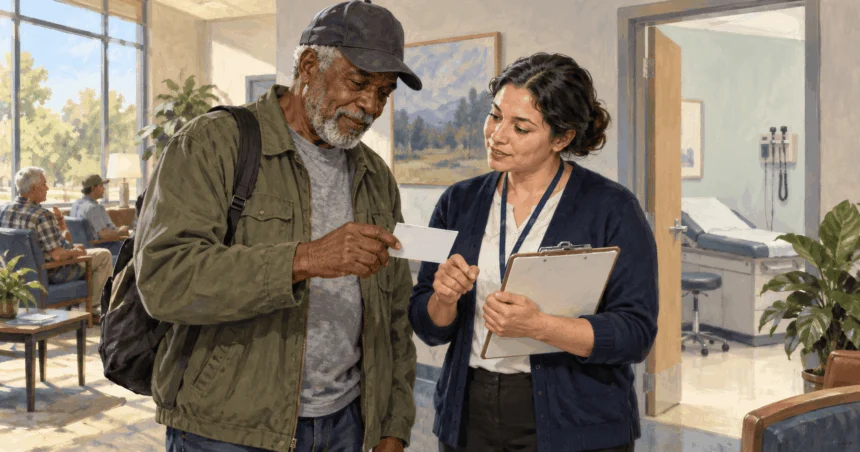
One of the VA’s best-known roles is operating the Veterans Health Administration (VHA), which provides medical care to eligible veterans. The VHA is the largest integrated health care system in the United States, with hundreds of facilities nationwide. This includes about 170 VA Medical Centers (hospitals) and over 1,000 outpatient clinics across the country. Together, these VA hospitals and clinics serve more than 9 million veterans each year. In fact, many Americans may have a VA hospital or community clinic in their region dedicated to veteran care.
VA health care covers a full spectrum of services: preventive care, primary care, specialty care, mental health services, surgeries, prescriptions, and rehabilitation. There are also specialized programs for issues like combat trauma, post-traumatic stress disorder (PTSD), prosthetics for amputees, spinal cord injuries, and women’s health needs. Veterans often receive care for service-connected injuries or illnesses, but the VA also provides general medical services to millions of veterans, especially those who may have difficulty accessing or affording private health care.
A veteran of the Iraq War can enroll in VA health care and go to a VA medical center for check-ups, treatment of injuries, or therapy for PTSD. If a VA facility is too far or wait times are too long, recent initiatives allow some veterans to use community providers paid for by the VA (more on that under “Recent Developments”). The VA also operates a 24/7 Veterans Crisis Line for mental health emergencies and has expanded telehealth (virtual medical appointments) to reach veterans in rural areas.
Veterans’ Benefits and Financial Support Programs
Beyond health care, the VA – through the Veterans Benefits Administration (VBA) – administers a wide range of benefits programs to help veterans and their dependents. These benefits are a cornerstone of how the VA “serves and honors” veterans for their service. Key VA benefit programs include:
- Disability Compensation: Tax-free monthly payments to veterans injured or made ill by their military service. For example, a Marine veteran with a service-connected back injury or a Vietnam veteran with health conditions linked to Agent Orange exposure can receive disability compensation. Over 5 million veterans receive such compensation for service-connected disabilities.
- Pensions: A needs-based pension for wartime veterans (and their survivors) who have limited income and are elderly or disabled. This helps the most financially vulnerable veterans.
- GI Bill – Education Benefits: The VA’s education programs (like the WWII-era GI Bill and the modern Post-9/11 GI Bill) help veterans pay for college, vocational school, and other training. This benefit has had a huge impact on veterans and American society. For instance, the original GI Bill of 1944 enabled millions of WWII veterans to attend college or buy homes, profoundly expanding the American middle class. Today’s GI Bill covers tuition, housing, and books for veterans (and sometimes their family members) to pursue higher education. Since 2009, the Post-9/11 GI Bill has provided educational benefits to nearly 800,000 veterans and their families, totaling over $12 billion in support.
- Home Loans: The VA guarantees home loans for veterans, helping them buy homes with favorable terms (often no down payment required). By 1955, for example, 4.3 million home loans worth $33 billion were made to WWII veterans under the GI Bill, accounting for 20% of all new homes purchased after the war. Today, VA-backed loans continue to assist veterans in becoming homeowners.
- Vocational Rehabilitation and Employment: Now called Veteran Readiness & Employment (VR&E), this program helps service-disabled veterans prepare for new careers, offering counseling, job training, and education to aid their transition to civilian work.
- Life Insurance: The VA offers low-cost life insurance options for veterans (especially those with disabilities who may not get private insurance easily) and provides Dependency and Indemnity Compensation (DIC) to surviving spouses or children of servicemembers who died in the line of duty or from service-related causes.
- Survivors’ Benefits: In addition to DIC, the VA provides education and training benefits to surviving family (e.g., the Fry Scholarship), and burial benefits as noted below.
These benefits programs are extensive – in summary, the VA provides veterans and their families with disability compensation, pensions, education assistance, home loan guarantees, life insurance, vocational rehab, survivor benefits, medical coverage and burial honors. For many veterans, these benefits are a lifeline that helps them lead healthy, productive lives after military service.
Other Support and Memorial Programs
The VA also runs various support programs beyond checks and hospital visits. For example:
- Mental Health and Counseling: Every VA medical center has mental health services, and the VA operates Vet Centers in communities which offer counseling for combat veterans and their families. These services address PTSD, depression, military sexual trauma, and readjustment to civilian life.
- Caregiver Support: The VA offers training, stipends, and respite care to family members who serve as caregivers for severely injured veterans. (This Program of Comprehensive Assistance for Family Caregivers initially focused on post-9/11 veterans, but is expanding to include veterans of all eras – see “Recent Developments” below.)
- Homelessness Programs: The VA has made ending veteran homelessness a major priority. It runs housing initiatives and works with local shelters and HUD (Housing & Urban Development) to get veterans off the streets. These efforts have shown success – veteran homelessness in the U.S. has dropped by over 55% since 2010. In 2022 alone, there was an 11% decrease in homeless veterans as outreach programs placed tens of thousands into permanent housing. While homelessness still affects thousands of veterans, the VA’s supportive housing (like HUD-VASH vouchers) and outreach teams have made a significant dent in the problem.
- Transition Assistance: The VA partners with the Department of Defense in the Transition Assistance Program (TAP) to help service members transition to civilian life. Classes on VA benefits, job search help, and resume workshops are provided as troops leave active duty.
- National Cemetery Administration: Lastly, the VA, through its National Cemetery Administration (NCA), honors veterans even after their death by providing burial and memorial services. The VA maintains 155 national veterans cemeteries (as of 2025) where eligible veterans and their spouses can be buried with honor. It furnishes headstones or markers for veterans’ graves (even in private cemeteries) and organizes burial honors. For example, Arlington National Cemetery (managed by the Army) is well-known, but the VA’s national cemeteries across the country collectively inter tens of thousands of veterans each year, ensuring they receive a dignified resting place. Commemorative ceremonies (like Memorial Day events) at these cemeteries and monuments are part of this mission to remember and honor veterans’ service.
How the VA Was Established and Evolved
The VA’s origins can be traced back over 150 years. America has provided pensions or care for its war veterans since the Revolutionary War, but these services were not always under one organization. Here’s a brief historical overview of how the VA was established and evolved:
- Post-Civil War (1860s): In March 1865, as the Civil War ended, President Lincoln spoke of the nation’s duty “to care for him who shall have borne the battle, and for his widow, and his orphan.” Shortly before that, Congress authorized the first national homes for disabled volunteer soldiers – essentially soldiers’ retirement and care homes. These homes were the beginning of federal veterans’ medical care. By the late 19th century, the U.S. had a Bureau of Pensions paying benefits to Civil War veterans and widows, and several soldiers’ homes caring for infirm veterans.
- World War I era (1920s): The system was fragmented – after WWI, veterans had to deal with three different federal agencies for medical care, insurance claims, and rehab training. This was inefficient and led to public dissatisfaction. In 1921, the government created the Veterans’ Bureau to consolidate some services, but problems persisted (the Veterans’ Bureau was plagued by scandal in the 1920s).
- Creation of the Veterans Administration (1930): A major reform came in 1930 when President Herbert Hoover merged the various veterans programs into one independent agency. Hoover signed an executive order on July 21, 1930 that combined the Veterans’ Bureau, the Bureau of Pensions, and the National Homes into a single Veterans Administration. This new Veterans Administration (VA) was headed by an Administrator of Veterans Affairs. For the first time, most federal veterans services were under one roof. The timing was crucial – the country was about to expand benefits even more for World War I veterans and future veterans.
- World War II and the GI Bill (1940s): World War II created millions of new veterans, and to prevent the kind of post-war hardship seen after previous wars, Congress passed the Servicemen’s Readjustment Act of 1944, famously known as the GI Bill of Rights. This law provided WWII veterans with tuition for education or training, low-cost home loans, and unemployment compensation. The GI Bill had a transformative impact: 16 million WWII veterans became eligible, and many took advantage of college and home ownership opportunities. Historians note that the 1944 GI Bill changed American society, fueling a huge expansion of the educated middle class and suburban home ownership, and some rank its influence on American life above that of any other law except perhaps the Homestead Act. The VA’s role expanded to administer these new benefits. In the late 1940s, the VA also had to care for aging WWI vets and the new WWII vets, leading to growth and decentralization of VA hospitals.
- Post-war expansions: In the following decades, further GI Bills extended education benefits to Korean War and Vietnam War veterans. The VA built more hospitals and expanded services. By the 1980s, the VA was a massive agency, but it was still not part of the President’s Cabinet.
- Becoming a Cabinet Department (1989): In 1988, Congress passed the Department of Veterans Affairs Act, and President Ronald Reagan signed it into law. This law elevated the Veterans Administration (an independent agency) to cabinet-level status as the Department of Veterans Affairs, effective March 15, 1989. This meant the head of the VA, now called the Secretary of Veterans Affairs, is a Cabinet secretary directly advising the President. The change underscored the importance of veterans affairs at the highest level of government. The first VA Secretary, Edward Derwinski, took office in 1989 under President George H.W. Bush.
Throughout the 1990s and 2000s, the VA continued to evolve. A major reform in the mid-1990s transformed the VA health care system to improve quality and efficiency – the VA implemented an integrated electronic medical record system (VistA) and shifted to outpatient clinics, which greatly improved care access and outcomes. In 2003, the National Cemetery Administration marked 30 years (it was established in 1973, absorbing many national cemeteries from the Army). In 2008, the Post-9/11 Veterans Educational Assistance Act (“Post-9/11 GI Bill”) was enacted, substantially enhancing education benefits for the latest generation of veterans.
This brief history shows an expanding mission: from a few soldiers’ homes and pension checks to a comprehensive system including health care, expansive benefits, and memorial services. The VA’s structure today – with three main administrations (VHA for health, VBA for benefits, NCA for cemeteries) – reflects this evolution. It’s worth noting that by 2023 the VA served about 18 million living U.S. veterans (out of all veterans nationwide), and its annual budget has grown dramatically (from about $20 billion in 1970 to over $300 billion by 2023) to meet veterans’ needs.
Recent Developments and Initiatives Impacting Veterans
In recent years, the Department of Veterans Affairs has undergone significant changes and launched new initiatives to better serve veterans. Some key recent developments and policy changes include:
- Honoring Our PACT Act (2022): In August 2022, a landmark law called the PACT Act was passed to address the health effects of toxic exposures. This law greatly expanded VA health care and benefits for veterans exposed to burn pits, Agent Orange, and other toxic substances. It added more than 20 new “presumptive” conditions (illnesses assumed to be service-connected) for exposure to toxins, making it easier for affected veterans to get treatment and disability compensation. For example, post-9/11 veterans who breathed in toxic burn pit smoke in Iraq/Afghanistan, or Vietnam-era veterans exposed to Agent Orange in additional locations, are now covered. The PACT Act also requires the VA to provide a toxic exposure screening to every veteran in the health system. This is considered one of the biggest expansions of VA benefits in decades, potentially impacting over 3.5 million veterans.
- MISSION Act (2018): The VA MISSION Act of 2018 overhauled how veterans can access care. Its primary purpose was to create a more effective system for community care – allowing veterans to get medical treatment from private doctors outside the VA when the VA can’t provide timely or convenient care. The MISSION Act established the Veterans Community Care Program, which lets eligible veterans use outside providers if, for example, the nearest VA clinic is too far or wait times are too long. This gives veterans more choices while the VA pays the bill. The Act also expanded eligibility for the VA’s Caregiver Support Program to include veterans of earlier eras. (Previously, only post-9/11 veteran caregivers got stipends; now severely injured veterans from Vietnam, Korea, etc. can have their family caregivers receive VA support as well.) Additionally, the MISSION Act funded more VA medical staff and directed reviews of VA infrastructure to modernize facilities. The goal was to improve access and quality by combining the best of VA and private-sector care.
- Electronic Health Records Modernization: The VA has been undertaking a major project to modernize its electronic health record (EHR) system to a new platform that will better integrate with the Department of Defense records. Launched around 2018, this project aims to ensure a seamless transition of medical records when servicemembers become veterans. However, this initiative has faced delays and challenges, and is an ongoing story as the VA works out technical issues to improve care coordination.
- Focus on Mental Health and Suicide Prevention: The VA has ramped up programs addressing veteran suicide, which has been a serious concern. In recent years the VA implemented the Veterans Crisis Line with the easy-to-remember number “988 then Press 1” for veterans in crisis. It also started initiatives like REACH VET (which uses predictive modeling to identify vets at risk and reach out proactively) and expanded mental health staffing. In 2019, a White House task force (PREVENTS) was created to coordinate government and community efforts to lower veteran suicide rates. Additionally, in 2021, the VA began offering free emergency mental health care to any veteran in crisis (even those not enrolled in VA care) at VA or private hospitals.
- COVID-19 Pandemic Response: During the COVID-19 pandemic (2020–2021), the VA played a vital role in vaccinating veterans and even some non-veterans. The VA’s “fourth mission” is to support the national medical system in emergencies. True to that, VA medical centers treated civilian patients when local hospitals were overwhelmed and deployed staff to assist community hospitals. The VA also vastly expanded telehealth during the pandemic, delivering millions of virtual appointments. This experience is shaping more flexible care models for the future.
- Veterans’ Appeals Modernization (2019): The VA made changes to the benefits appeals process with the Appeals Modernization Act (effective 2019). This law created new pathways for veterans to appeal benefit decisions (like disability claim denials) in a more timely way. Early results show faster resolutions compared to the old, very lengthy appeals system.
- Addressing Benefits Backlogs: The VA continues efforts to reduce backlogs of disability claims and speed up services. It has hired more claims processors and deployed new technology (scanning and automating parts of the claims process). After a big reduction in the claims backlog mid-2010s, new claims from the PACT Act have increased workloads again, so this is a watch item going forward.
These developments show how the VA is trying to adapt to current needs – whether it’s legislative expansions like the PACT Act, internal reforms like community care access, or urgent responses like COVID. Many of these changes aim to improve veterans’ access to care and benefits, recognizing both new problems (toxic exposures, pandemics) and long-standing issues (wait times, bureaucratic delays) that the VA must manage.
Impact of the VA on Veterans, Families, and Society
The Department of Veterans Affairs has a broad impact on the lives of veterans and on American society as a whole. Each year, millions of veterans and their families directly experience VA services – from doctor’s appointments to GI Bill tuition payments. Here are some ways the VA makes a difference, as well as challenges the department faces:
- Health and Well-Being of Veterans: For many veterans, especially those with combat injuries or low income, the VA is their main source of health care. By providing everything from surgeries to mental health counseling, the VA can greatly improve veterans’ quality of life. For example, a Vietnam veteran with diabetes and PTSD might get his medications, psychotherapy, and regular checkups all through the VA at little to no cost. Without the VA, many veterans could be uninsured or go without needed care. VA medical research has also contributed to society – VA researchers have been involved in advances like the first successful liver transplant and improvements in prosthetic limbs and treatments for PTSD. Additionally, the VA trains thousands of doctors and nurses (through partnerships with medical schools): roughly 70% of U.S. physicians have had some training in a VA facility, meaning the VA indirectly supports the broader healthcare system by educating health professionals.
- Economic and Educational Opportunities: VA benefits such as the GI Bill and home loan guarantees have massive societal impact. The GI Bill enabled generations of veterans to get college degrees – fueling the workforce with educated individuals in fields from engineering to teaching – and to buy homes, which build family wealth. After WWII, veteran education and homeownership boomed; similarly, after 9/11, the updated GI Bill invested in veterans who are now contributing to the economy in countless ways. By 2023, about 18 million veterans were part of the U.S. adult population – most of them making use of one VA benefit or another during their life. VA disability payments and pensions also inject billions of dollars into local economies (veterans spend that money on goods, housing, etc.), particularly in areas with high veteran populations.
- Honoring Service and Sacrifice: The VA, through its cemeteries and memorial programs, ensures the nation remembers veterans’ sacrifices. Military funerals with folded flags, engraved headstones, and well-kept veterans’ cemeteries are a comfort to families and a reminder to the public of service given. Every year, the VA’s national cemeteries conduct ceremonies on Memorial Day and Veterans Day, drawing communities together in remembrance. This aspect of the VA’s impact is less tangible in dollars, but deeply felt in terms of national values – it reflects how the United States honors those who defended the country.
- Veteran Homelessness and Social Support: The VA’s focus on homelessness and mental health has not only helped individual veterans but also demonstrated effective models for social services. As noted, veteran homelessness fell by over half in a decade, at a time when overall homelessness did not drop as dramatically. The VA achieved this by partnering with local agencies and using data-driven targeting of those in need. Success here shows that coordinated, well-funded intervention can reduce homelessness – lessons that can be applied to other populations. Similarly, the VA’s suicide prevention efforts and crisis line have likely saved lives, though veteran suicide remains a crisis that the department and society are still grappling with.
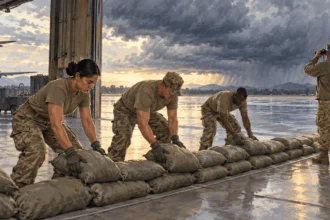
- A “Safety Net” and Emergency Backup: The VA also serves as a safety net for the nation in emergencies. Known as the VA’s “fourth mission,” it can provide medical support to civilians in events like hurricanes, pandemics, or other disasters. For instance, after Hurricane Katrina in 2005, VA hospitals treated evacuees and the VA sent medical personnel to affected areas. During COVID-19 surges, some VA hospitals opened beds to non-veteran patients. This flexibility increases the overall resilience of U.S. healthcare infrastructure in crises.
That said, the VA is not without challenges and criticisms. One prominent challenge has been ensuring timely access to care and benefits. In 2014, a national scandal erupted when it was revealed that some VA medical centers (like Phoenix) had extensive wait times for appointments. The fallout led to the resignation of the VA Secretary at the time, a public outcry, and reforms including the Choice Program (precursor to today’s community care program). While the VA took steps to fix scheduling and expand capacity, the incident underscored persistent management issues. Even today, wait times and bureaucratic complexity can frustrate veterans. The VA is a huge system (with over 400,000 employees) and sometimes has been criticized for red tape, outdated IT systems, or inconsistent quality between facilities.
Another challenge is that the demand for VA services can fluctuate and surge, straining resources. After 20 years of war in Afghanistan and Iraq, many newer veterans need care for injuries (like amputations or traumatic brain injuries) and mental health conditions. Simultaneously, aging Vietnam War veterans are requiring more care for chronic conditions. The VA’s budget and staffing have had to grow rapidly, and managing that growth efficiently is difficult. There are also infrastructure issues – some VA hospitals are old and in need of upgrades or replacement. The MISSION Act’s effort to realign the VA’s “footprint” (close or repurpose under-used facilities and build where needed) is an ongoing process that can be politically sensitive when communities fear losing a VA hospital.
Despite these challenges, studies often show that veterans enrolled in VA health care are satisfied with their care, and quality metrics in VA hospitals are on par with or better than private sector averages in many areas (especially preventative care and managing chronic illness). The VA has also been a leader in areas like patient safety and electronic medical records. But ensuring consistency and accountability remains critical – the VA now has an Office of Accountability and whistleblower protections (enacted in 2017) to address employee misconduct faster, a reform that came after the 2014 wait time scandal.
In terms of effectiveness, one could say the VA has highs and lows. For example, its prosthetics research and polytrauma centers are world-class (giving young amputee veterans state-of-the-art care), and its handling of home loan guarantees is very efficient (with low default rates helping both vets and taxpayers). On the other hand, the disability claims process has historically been cumbersome, with backlogs at times leaving veterans waiting months or years for decisions – something the VA continues to try to streamline with new systems and hiring.
Finally, it’s important to view the VA’s impact in moral terms: the existence of the VA affirms a social contract – if citizens serve in the military and risk life and limb, the nation will take care of them afterward. This assurance can impact military recruitment and overall trust in government. Failures by the VA can erode that trust, whereas successes (like dramatically improving a wounded veteran’s life or helping a vet achieve a college degree) build confidence that veterans are not forgotten.
Conclusion
The Department of Veterans Affairs plays a vital role in upholding America’s promise to its veterans. Its mission – “to care for those who have served” – is carried out through an array of healthcare services, benefits programs, and support initiatives that touch almost every aspect of a veteran’s life after military service. The VA’s history reflects America’s evolving understanding of veterans’ needs, from the post-Civil War soldiers’ homes to the sweeping GI Bill benefits that educated and housed 20th-century veterans, to modern efforts addressing invisible wounds like PTSD and Agent Orange exposure.
The VA today faces modern challenges of meeting increasing demand, adapting to new types of veterans (such as more women veterans and high-tech injuries), and fixing internal shortcomings. Reforms like the PACT Act and MISSION Act show that the system is actively trying to improve access and fairness. The broader impact of the VA can be seen not just in individual success stories (a veteran regaining health, a family buying a home, a homeless veteran finding shelter) but in the overall well-being of the veteran community. When the VA is effective, veterans are healthier, better educated, and more financially secure – and this, in turn, benefits our society (fewer homeless, a stronger workforce, a visible honor of service that can inspire future generations).