
Employment Rights and Protections
Your Rights as an Employee Regarding Breaks and Retaliation
Federal law doesn't require lunch or coffee breaks, but retaliation protections still apply. See how state rules differ and what's protected.

Federal law doesn't require lunch or coffee breaks, but retaliation protections still apply. See how state rules differ and what's protected.
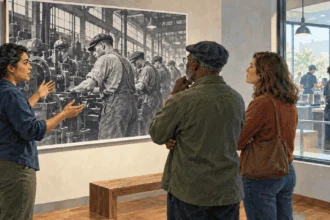
The labor union evolved from a clandestine, often criminalized fraternity of skilled craftsmen to a massive industrial power broker. In its current form, it is a…

The American labor landscape is undergoing profound turbulence. After decades of steady decline in membership and political influence, organized labor has re-emerged as a central player…
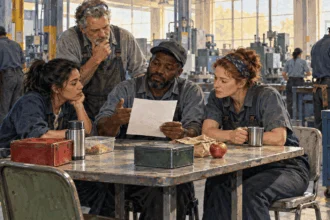
Americans love labor unions more than they have in decades, but union membership keeps falling. This paradox defines the modern labor movement. According to Gallup polling…
A federal judge has temporarily blocked the Trump administration's plan to permanently terminate thousands of furloughed federal employees during the government shutdown that began…
Local governments employ millions of Americans, from police officers and firefighters to teachers and sanitation workers. As employers, these government bodies must follow employment…
The traditional 9-to-5 office commute is disappearing. The COVID-19 pandemic accelerated a slow-moving trend into a full-scale revolution that has governments scrambling to update…
The "side hustle" has evolved from a niche activity into a defining feature of the modern American economy. For millions, it now represents a…
Every day, millions of Americans deal with difficult coworkers, demanding bosses, and uncomfortable workplace situations. When does bad behavior cross the line into illegal…
Learn who qualifies for FMLA leave, which needs are covered, how to request it, what happens to pay and benefits, and where state laws add help.
Being treated differently at work because of who you are is often illegal. Workplace discrimination occurs when an employer treats an employee or job…
The Age Discrimination in Employment Act of 1967 makes it illegal for employers to make decisions about hiring, firing, pay, promotions, or any other…
In the United States, the principle of fair pay is a cornerstone of federal and state law. Every worker has a right to be…
In the American workplace, the power dynamic seems heavily skewed toward employers, and for good reason—most employees work "at-will," meaning they can be terminated…