Patents
What a Patent Actually Protects (and What It Doesn’t)
A US patent only lets you stop others from making, using, or selling your invention, it does not give you permission to sell it, and claims…

A US patent only lets you stop others from making, using, or selling your invention, it does not give you permission to sell it, and claims…
Every year, more than half a million inventors and entrepreneurs from around the world submit their big ideas to a federal office building in Alexandria, Virginia.…
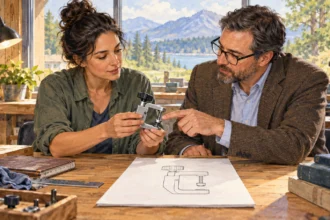
While patent documents are complex legal instruments, their entire purpose centers on one critical section: the claims. Think of a patent like a deed for intellectual…

One of the most useful tools for safeguarding an invention is the Provisional Patent Application, or PPA. A PPA isn't a type of patent itself; it…
For any inventor, entrepreneur, or business, the question of how long it takes to secure a patent is fundamental. It informs business strategy, funding…
While that idea in your head could be worth millions, it turns out turning it into a legally protected asset comes with a price…
Many people misunderstand what a patent actually does. A patent doesn't give you the right to make, use, or sell your own invention. A…
That idea brewing in your mind could be worth millions—or it could already belong to someone else. Before you spend a dime on development,…
Every smartphone, every brand logo, every innovative gadget you use started with someone protecting their idea. The United States Patent and Trademark Office is…
A United States patent doesn't give you the right to make or sell your invention. Instead, it grants something potentially more valuable: the power…
Getting a patent can be thrilling. The promise of innovation, commercial success, and legal protection drives inventors to pursue their ideas. At its core,…
Trade secrets guard confidential information; patents restrict use of inventions. Their disclosure rules, costs and limits shape the choice of protection.
Creators, inventors, and businesses need to understand intellectual property to protect their most valuable assets. Whether you've written a novel, designed a logo, or…