
Military Justice
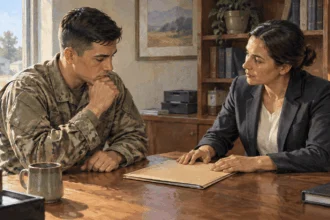
Can Military Members Refuse Orders? The Law Is More Complex Than You Think
A grand jury—a group of ordinary citizens—said no. While grand juries do typically approve most prosecutorial requests, they retain the legal authority to decline…

The Boat Strike That Killed Survivors: Who Could Face Charges?
On September 2, 2025, a United States military strike targeted a vessel allegedly operated by the Venezuelan gang Tren de Aragua. The engagement did…
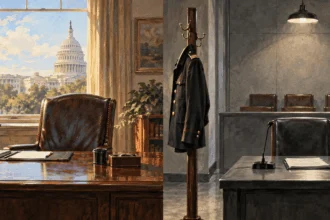
Why the Pentagon Threatened to Court-Martial Senator Mark Kelly
The Pentagon’s threat against Senator Mark Kelly involves military retirement, lawful orders, retirement pay and constitutional limits on political speech.

The Guardians at the Gate: Inside America’s Military Police Force
Every day, millions of Americans drive past military installations without giving much thought to the armed guards at the gates. But those uniformed figures…

Navigating Military Justice: Service Member Rights During Investigations and Courts-Martial
The United States military justice system is a distinct legal framework designed to address criminal conduct within the armed forces while maintaining good order…
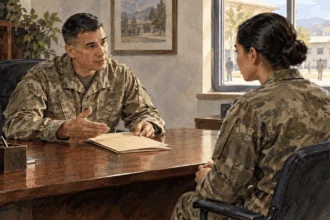
Non-Judicial Punishment (NJP) / Article 15 Process Explained
Non-Judicial Punishment, commonly referred to as NJP or Article 15, serves as a distinct disciplinary mechanism within the United States Armed Forces. Authorized under…

Understanding the Uniform Code of Military Justice (UCMJ)
The Uniform Code of Military Justice (UCMJ) serves as the bedrock of the military justice system within the United States Armed Forces. Enacted by…