
Legal Profession

How Private Judges Work in US Civil Courts
When civil disputes arise in the United States, the default path leads to the public court system. An alternative exists for those who can…

How Long Do Attorney Generals Last and Why Do They Leave?
The Attorney General of the United States holds one of the most powerful and precarious positions in the federal government. As the nation's chief…

Article III vs. Special Courts: Why Some Federal Judges Get Lifetime Jobs and Others Don’t
When Americans think about federal judges, they usually picture Supreme Court justices with lifetime appointments who can't be fired except for serious misconduct. That's…
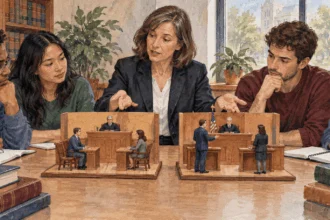
Court Drama: The Key Differences Between Civil and Criminal Law
Who decides whether a criminal case exists, what a lawsuit can take from a person, how sure each jury must be, and why one act can end in two opposite verdicts.

The Pillars of Justice: Prosecutors vs. Defense Attorneys in the U.S. Legal System
A plain guide to who picks the charge, why nearly every case ends in a plea, what an appointed defense lawyer owes a client, and who holds either side to account.

Plaintiff vs. Defendant: A Clear Guide to U.S. Legal Roles
Navigating the U.S. legal system often feels like learning a new language. Two of the most fundamental terms you'll encounter are "plaintiff" and "defendant."…