
Digital Divide
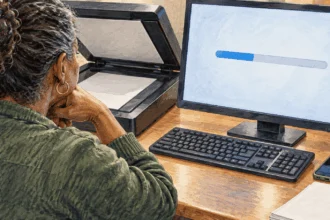
What the ‘Digital Divide’ Means for Access to Services
Losing internet access can cut off food benefits, health coverage, and job opportunities, and here is where to find offline help and support programs.
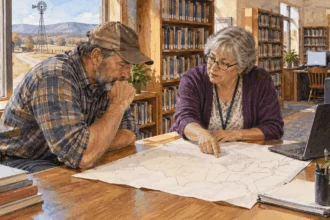
America’s Digital Divide: The People Left Behind
Nearly every aspect of American life now requires internet access. Yet millions of Americans still lack reliable broadband service, creating a persistent gap between…

The National Broadband Map: A Picture of Internet Availability
Access to high-speed internet has become as essential as electricity or running water. Yet millions of Americans still lack reliable broadband service, creating what…

Do You Qualify for a Free Government Phone? Check Your Eligibility
For millions of Americans, the cost of a phone and monthly service creates a significant financial burden. The idea of a "free government phone"…

Fact Check: Free Government Phones
Every month, millions of Americans receive free smartphones and unlimited calling plans through what's commonly called the "government phone" program. It's one of the…