
Constitutional Rights

Harmless Error vs. Reversible Error: When Mistakes Matter in Court
Harmless and reversible errors shape court appeals. The rules turn on harm, trial objections, constitutional rights and whether the evidence proves the charge.

Preponderance of Evidence vs. Beyond Reasonable Doubt vs. Clear and Convincing Evidence
In the U.S. legal system, not all claims require the same level of certainty to be proven. Different types of cases demand distinct "standards…

Your Right to Stay Silent vs. Your Right to Challenge Imprisonment
The United States legal system is built on fundamental rights designed to protect individual liberty and ensure fair treatment under the law. These rights…
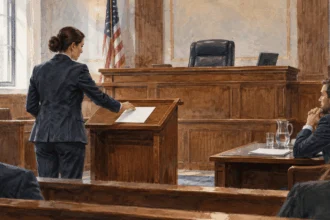
Burden of Proof vs. Standard of Evidence: How Legal Cases Get Decided
Every day in American courtrooms, judges and juries face a fundamental question: Has someone proven their case? The answer depends on two concepts that…

Subpoena vs. Warrant: Your Guide to Legal Demands
Subpoenas demand testimony or records; judicial warrants authorize searches or arrests. Their issuers, deadlines, safeguards and challenges differ.

Plea Bargain vs. Trial: Navigating the Crossroads of Justice
Plea bargains trade trial rights for negotiated terms, but sentencing promises, deadlines and lasting consequences shape how they compare with a trial.

Free Speech on Government Property: Understanding Forums and Time, Place, Manner Restrictions
Free speech on government property depends on the forum, access rules and who restricts it, with distinct limits for buildings, meetings and public events.

Free Speech on Trial: How Courts Decide Which Speech Rules Are Fair
Free speech cases turn on who restricts expression, the message, the setting and the legal test. Courts examine government power over signs, protests and posts.

When the Law Goes Too Far: Understanding Overbreadth and Vagueness
Overbreadth and vagueness test different flaws in laws. Court decisions show how protected speech, fair notice and enforcement limits shape a challenge.

When Does the Constitution Apply? State Action vs. Private Action
The U.S. Constitution primarily restricts government power, not private conduct. This distinction between "state action" (government conduct) and "private action" (non-government conduct) determines when…