
Due Process and Fair Treatment

Eminent Domain: What the Government Owes You When It Takes Your Property
The power of the government to acquire private property for a public project, such as a new highway or school, is one of the…

What Is “Due Process”? The Government’s Rulebook for Fairness
The government must follow rules when it wants to take away your life, liberty, or property. This fundamental promise, known as "due process of…

Not Just for Mobsters: Why the 5th Amendment Matters to You
When a witness in a dramatic courtroom scene or a mobster in a tense police interrogation defiantly states, "I plead the Fifth!" it becomes…

Miranda Rights and the Fifth Amendment: When You Must Speak to Stay Silent
Miranda rights protect silence during custodial questioning. Clear invocation, voluntary interviews and courtroom testimony follow different legal rules.

When Government Takes Your Property: Understanding Eminent Domain vs. Regulatory Takings
Property ownership represents one of America's foundational freedoms. The ability to own, use, and control private property isn't just about economics - it's central…

Due Process vs. Equal Protection: Your Constitutional Rights Explained
Due process and equal protection set different limits on government power, from fair hearings to justified distinctions, with protections for noncitizens.

Harmless Error vs. Reversible Error: When Mistakes Matter in Court
Harmless and reversible errors shape court appeals. The rules turn on harm, trial objections, constitutional rights and whether the evidence proves the charge.

Preponderance of Evidence vs. Beyond Reasonable Doubt vs. Clear and Convincing Evidence
In the U.S. legal system, not all claims require the same level of certainty to be proven. Different types of cases demand distinct "standards…

Your Right to Stay Silent vs. Your Right to Challenge Imprisonment
The United States legal system is built on fundamental rights designed to protect individual liberty and ensure fair treatment under the law. These rights…
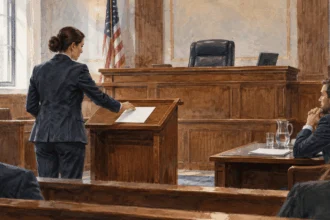
Burden of Proof vs. Standard of Evidence: How Legal Cases Get Decided
Every day in American courtrooms, judges and juries face a fundamental question: Has someone proven their case? The answer depends on two concepts that…