
Democratic Challenges

How Free Speech Laws Handle False Information
For centuries, the guiding philosophy for free speech has been the "marketplace of ideas" – a belief that in a free and open competition…
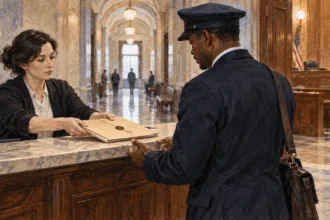
What Happens When Presidents Ignore Supreme Court Orders?
The US Constitution designs a government of separated powers, distributing authority among three co-equal branches. Congress makes laws, the President enforces them, and the…

How the Trump Administration Might Investigate Former Administrations
Trump administration investigations of former officials involve criminal evidence, presidential immunity, oversight powers and limits on political targeting.

The Norms and Consequences of Investigating a Presidential Predecessor
Donald Trump has explicitly promised a campaign of retribution against his predecessors and political rivals. This targeting of political opponents has become a central…

The American Experiment: How Democracy Has Evolved in the United States
The story of democracy in the United States isn't about a finished product delivered in 1776. It's an ongoing experiment—dynamic, turbulent, and unfinished. America…

Military vs. Disinformation: How America Fights Foreign Propaganda Online
America faces a new kind of warfare. Foreign adversaries aren't just building missiles and tanks—they're weaponizing lies, exploiting the openness of democratic societies to…

Understanding Participatory Budgeting vs. Traditional Budget Process
Public budgets are the financial blueprints that shape our communities, determining how taxpayer money is collected and spent on everything from schools and roads…

Digital vs. Traditional Civic Engagement: How Americans Participate in Democracy Today
The way Americans engage with their communities and government is changing dramatically. For generations, civic participation meant voting, attending town halls, and volunteering locally.…

Civil Disobedience vs. Lawful Protest: Your Rights and Responsibilities
Civil disobedience and lawful protest differ in legal risk. Constitutional rights, permit rules, historical examples and police encounters explain why.

Propaganda vs. Public Information: Government Messages
In our information-saturated world, government messages flood our daily lives through news alerts, social media, and official announcements. Distinguishing between legitimate public information and…