
Federal Court System

When Laws Go to Court: Facial vs. As-Applied Challenges Explained
When a law is passed, it's not always the final word. The U.S. Constitution provides ways for citizens to challenge laws they believe are…

Standing, Ripeness, and Mootness: How to Get Your Day in Federal Court
Federal courts operate under strict rules about which cases they can hear. These rules, called justiciability doctrines, act as gatekeepers that ensure courts only…

Decoding the Law: Legislative History vs. The Plain Meaning Rule
When Congress or your state legislature passes a law, you might think its meaning is straightforward. However, the words on the page don't always…

Fundamental Rights vs. Non-Fundamental Rights: How Courts Protect Your Liberties
In the United States, not all rights receive equal protection under the law. The Constitution creates a framework where certain liberties get stronger defense…
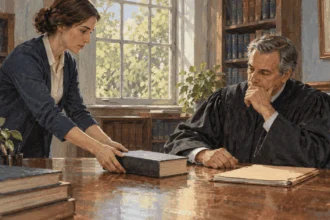
Judicial Review vs. Legislative Action: How American Government Really Works
The U.S. government operates with three distinct branches: legislative, executive, and judicial. The Constitution assigns specific powers to Congress, the President, and Federal courts,…

Understanding Federal Law vs. State Law: Jurisdiction Explained
Navigating the American legal landscape can feel like reading two maps at once. The United States operates under dual sovereignty—we have both a federal…