
Federal Court System
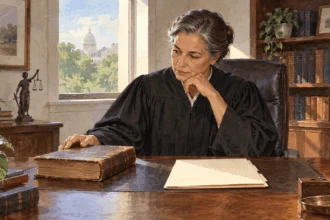
Do Judges Make Law? The Debate Over Judicial Power in America
Judges shape law through court decisions. Judicial review, precedent and interpretive methods explain the debate over courts’ power and democratic control.
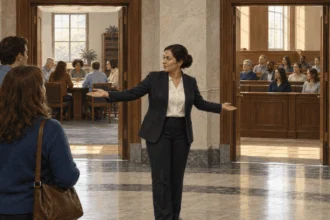
Grand Jury vs. Petit Jury: Understanding America’s Two Justice System Pillars
Juries are a fundamental component of the American justice system, representing direct citizen participation in government. The right to a trial by jury is…

Original Jurisdiction vs. Appellate Jurisdiction: Which Court Hears Your Case First?
The American justice system can seem overwhelming with its various courts and complex procedures. But understanding two fundamental concepts—"original jurisdiction" and "appellate jurisdiction"—can make…
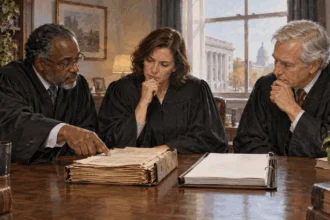
Stare Decisis vs. Overruling Precedent: How Court Decisions Shape Our Laws
Stare decisis keeps court decisions consistent, while overruling replaces an earlier rule. Court authority, reliance and legal scope shape the difference.

Jurisdiction vs. Venue: Where Will Your Legal Case Be Heard?
Navigating the American legal system often feels like learning a new language. Two fundamental concepts that determine where and how a legal case proceeds…
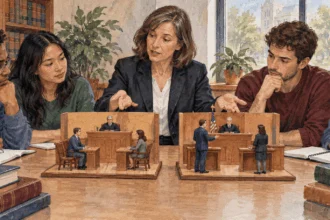
Court Drama: The Key Differences Between Civil and Criminal Law
Who decides whether a criminal case exists, what a lawsuit can take from a person, how sure each jury must be, and why one act can end in two opposite verdicts.

Plaintiff vs. Defendant: A Clear Guide to U.S. Legal Roles
Navigating the U.S. legal system often feels like learning a new language. Two of the most fundamental terms you'll encounter are "plaintiff" and "defendant."…

Judicial Scrutiny: How Courts Protect Your Constitutional Rights
Courts sort a constitutional challenge into one of three tests before hearing the facts. What each test demands, which one your claim gets, and who decides.

Free Speech on Trial: How Courts Decide Which Speech Rules Are Fair
Free speech cases turn on who restricts expression, the message, the setting and the legal test. Courts examine government power over signs, protests and posts.

When the Law Goes Too Far: Understanding Overbreadth and Vagueness
Overbreadth and vagueness test different flaws in laws. Court decisions show how protected speech, fair notice and enforcement limits shape a challenge.