
Federal Court System

Statute of Limitations vs. Statute of Repose: Your Guide to Legal Time Limits
Statutes of limitations and repose set different legal clocks. Their starting points and exceptions can decide whether a civil lawsuit may go forward.

Sua Sponte vs. Party-Requested Rulings: When Judges Act on Their Own vs. When Parties Ask
Sua sponte rulings begin with the judge. Federal rules and Supreme Court decisions explain when courts may act alone and when parties must be heard.

Article III vs. Special Courts: Why Some Federal Judges Get Lifetime Jobs and Others Don’t
When Americans think about federal judges, they usually picture Supreme Court justices with lifetime appointments who can't be fired except for serious misconduct. That's…

Mandatory vs. Discretionary Jurisdiction: Why Some Courts Must Hear Your Case and Others Don’t
When Americans think about getting their day in court, most assume that any judge will hear their case if they file the right paperwork…

Discovery vs. Trial Evidence: How Information Moves Through the Courts
When most people think about legal cases, they picture dramatic courtroom scenes with lawyers presenting evidence to juries. But that courtroom drama represents only…

Preponderance of Evidence vs. Beyond Reasonable Doubt vs. Clear and Convincing Evidence
In the U.S. legal system, not all claims require the same level of certainty to be proven. Different types of cases demand distinct "standards…

Declaratory Judgment vs. Injunctive Relief: When Courts Clarify Rights or Order Action
The U.S. legal system offers more than just monetary compensation for resolving disputes. Courts wield powerful tools that can clarify legal rights or compel…
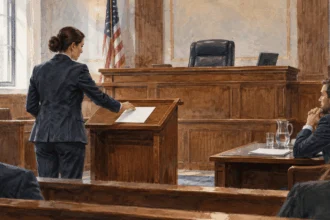
Burden of Proof vs. Standard of Evidence: How Legal Cases Get Decided
Every day in American courtrooms, judges and juries face a fundamental question: Has someone proven their case? The answer depends on two concepts that…

En Banc vs. Panel Decisions: How Federal Appeals Courts Work
Most Americans think the Supreme Court is where important legal decisions get made. The reality is far different and more interesting. Between your local…
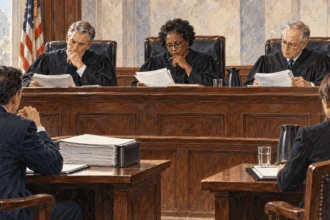
Appellate Decisions: What Affirm, Reverse, and Remand Mean
Appellate decisions can uphold a judgment, overturn it or send a case back. The instructions explain whether more proceedings, retrial or sentencing follow.