
Federal Court System

Your Right to a Fair Trial: How Federal Courts Work
When Americans think of their rights, they often turn to the Bill of Rights—freedom of speech, religion, and the press. None of these rights…

When States Fight: How the Supreme Court Keeps the Peace
California and Arizona going to war over the Colorado River. New York blockading goods heading to New Jersey. These scenarios sound like alternate history…

What the Judicial Branch Does
The judicial branch decides legal disputes and checks unconstitutional government action. Its power depends on court authority and judicial independence.
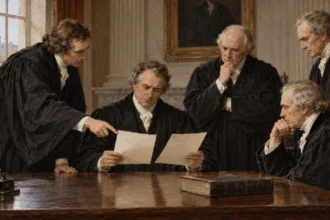
How Marbury v. Madison Created Judicial Review
The Supreme Court's most important power doesn't appear in the Constitution. Judicial review—the authority to strike down laws as unconstitutional—emerged from a political crisis…

Should You Represent Yourself in Court: The Real Costs and Risks
Every year, thousands of Americans choose to represent themselves in court - a practice known as "pro se" representation, from the Latin meaning "for…

Speedy Trial Rights: Can You Actually Wait Years for Trial?
The fear of being arrested and left to languish indefinitely in jail without trial strikes at the heart of what it means to live…

Five Shocking Supreme Court Free Speech Cases That Changed America
The boundaries of free speech aren't obvious. They've been forged through real-world conflicts that forced the Supreme Court to answer difficult questions. What happens…
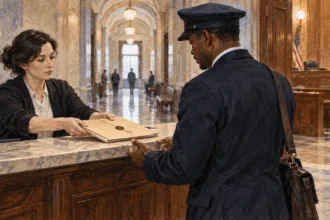
What Happens When Presidents Ignore Supreme Court Orders?
The US Constitution designs a government of separated powers, distributing authority among three co-equal branches. Congress makes laws, the President enforces them, and the…
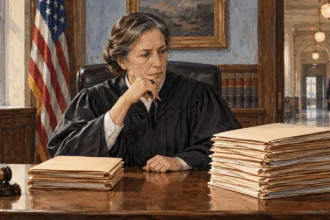
Why the Supreme Court Curtailed Nationwide Injunctions in 2025
A single federal judge in Texas issues an order, and suddenly a new White House policy on immigration or environmental protection freezes across the…

Why the Supreme Court Overturned Chevron Deference in Loper Bright
Why the Supreme Court ended Chevron deference in Loper Bright, what happened to the fishing rule, and how courts and agencies now share authority.