
Congressional Powers

Senate Confirmation vs. Recess Appointments: How Presidents Fill Government Jobs
The President needs to staff thousands of key government positions, from Cabinet secretaries to federal judges to agency heads. The Constitution provides two main…

How the Fed and Congress Shape America’s Financial System
The Fed shapes borrowing conditions while Congress sets taxes and spending. Their separate powers meet in household costs, public debt and financial crises.
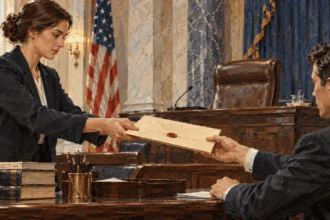
Impeachment vs. Removal: Understanding How America Holds Officials Accountable
Americans often hear about impeachment in the news, but many don’t understand what it actually means or how it works. The terms “impeachment” and…

Understanding Continuing Resolutions vs. Regular Appropriations
Continuing resolutions keep activities funded while regular appropriations are unfinished, with limits that shape spending, services and shutdown risk.

Two Paths to a Law: Congressional Committees vs. The Discharge Petition
When a bill becomes a law, it typically follows a path through congressional committees. But there's an alternative route in the House of Representatives…

How Congress Spends Your Money: Authorization vs. Appropriation
Why Congress passes two laws to fund one program, what an expired authorization actually stops, who gains when it lapses, and how to check your own program.

Omnibus Bills vs. Single-Subject Legislation
Why Congress passes bills thousands of pages long, what a one-subject rule would actually require, and what happened in the states that already have one.

Understanding Concurrent, Joint, and Simple Resolutions in the U.S. Congress
The United States Congress uses several tools to conduct its business beyond the familiar "bills" that become laws. Congress also relies on three types…

Decoding Federal Spending: Understanding Earmarks vs. Line-Item Funding
The U.S. federal budget topped $6.8 trillion in 2024—about a quarter of America's entire economic output. This massive sum represents more than just numbers;…

Laws Made Simple: Statutes vs. Regulations in America
Statutes and regulations are the ground rules governing American society. From the air we breathe to the products we buy, these legal instruments shape…