
Climate Energy and Environment

Challenges Facing the Department of the Interior
The DOI has faced challenges in areas such as environmental policy, land management, tribal relations, resource extraction, and climate change.

What the Department of the Interior Does
The U.S. Department of the Interior (DOI) is a Cabinet-level department of the federal government responsible for overseeing America's vast natural and cultural resources.…

What the Department of Commerce Does
The Department of Commerce is charged with promoting economic growth, job creation, and sustainable development in the United States.

What the National Oceanic and Atmospheric Administration (NOAA) Does
NOAA efforts range from daily weather forecasts and storm warnings to climate monitoring, fisheries management, and marine conservation.

Climate Predictions for the Next Decade
Our planet's climate is changing faster than at any point in modern history. As we look ahead to the next ten years, understanding these…

What Do Precipitation Percentages in Weather Forecasts Actually Mean?
Precipitation percentages describe a chance of rain or snow. Their time window, expected amount and location explain what the forecast means for outdoor plans.

Weather Watch vs. Warning: Key Differences Explained
How the National Weather Service uses a watch to mean dangerous weather is possible and a warning to mean it is happening, and what to do when each is issued.

Understanding the Winter Storm Severity Classification System
The National Weather Service's Winter Storm Severity Index (WSSI) provides a way to understand not just if winter weather is coming, but how significant…
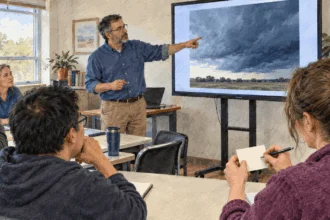
Steps to Becoming a Certified Weather Spotter
Weather spotter training connects volunteers with the National Weather Service. Local enrollment, reporting instructions and safety shape how to participate.

Sign Up to Receive Severe Weather Alerts
This guide explains how to sign up for weather alerts, which systems work best for different situations, and how to make sure you never…